Palma de Mallorca

Courtyard houses, market mornings and an old city that works beyond a weekend.

palma-de-mallorca

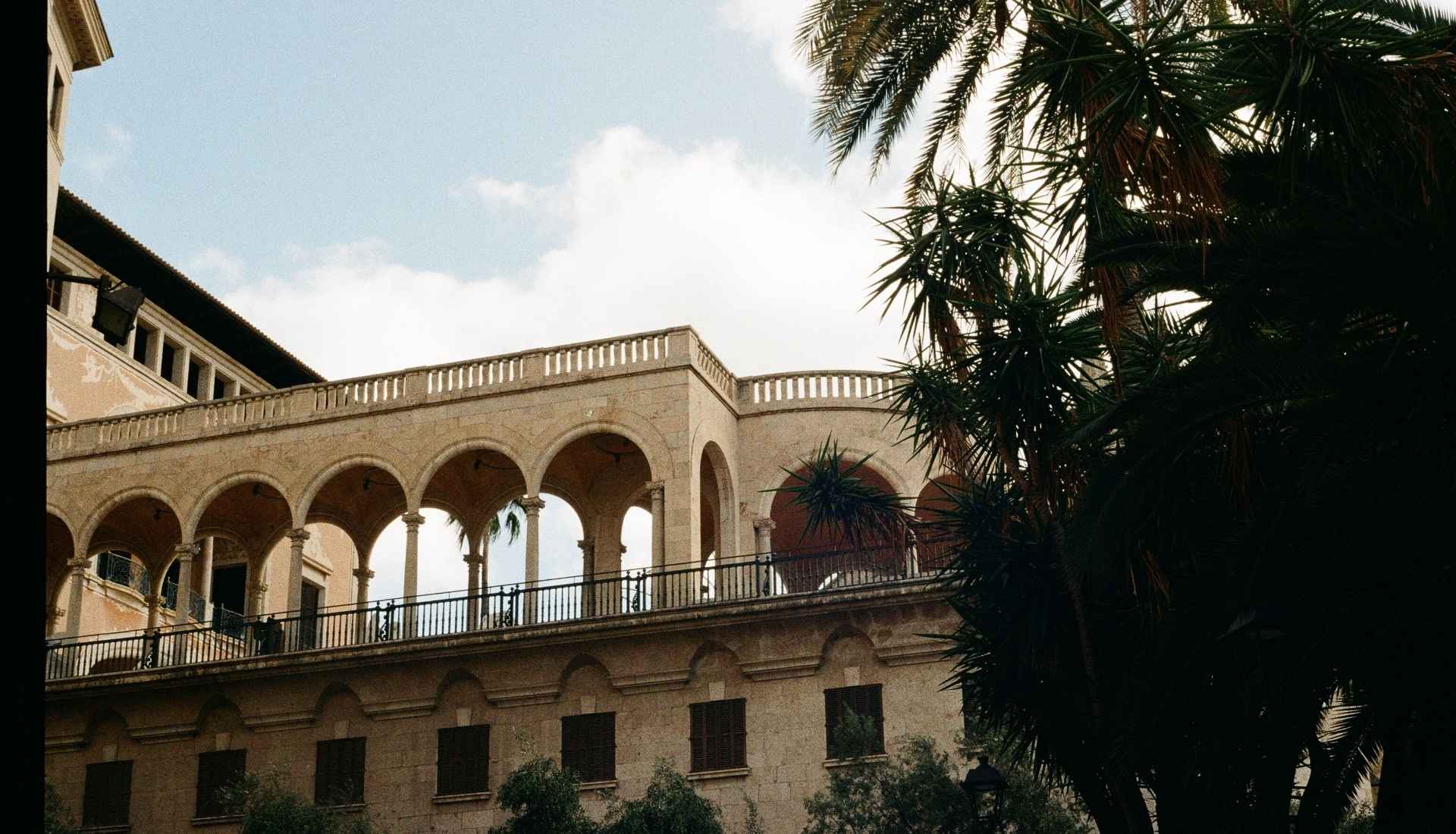
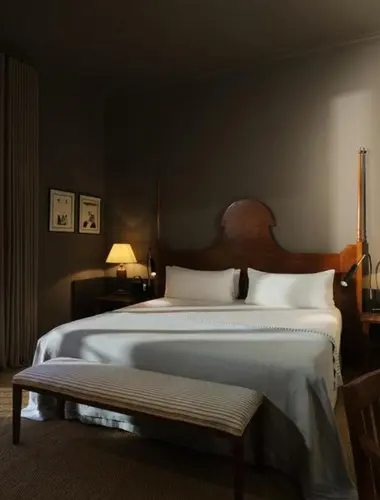
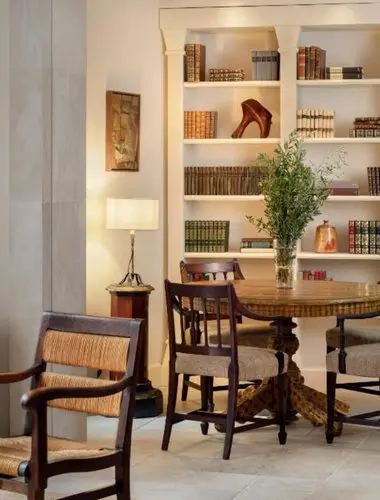
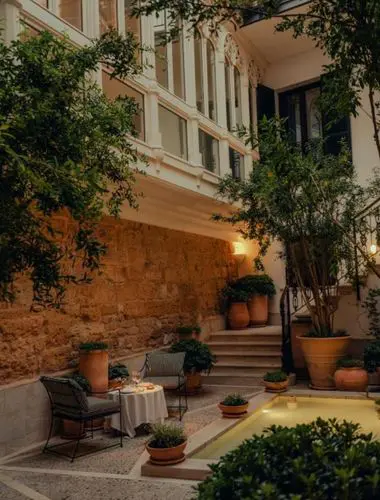
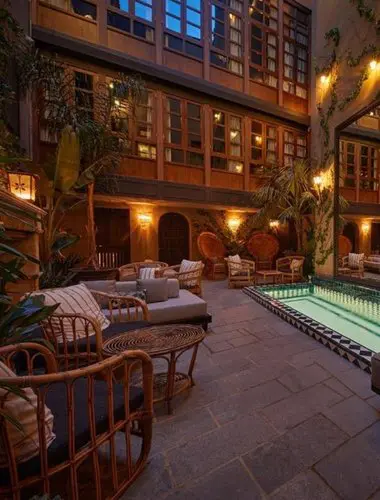
Palma is often treated as the entry point to Mallorca, somewhere to collect a car before heading for the mountains or coast. It deserves more time than that. Behind the cathedral, the old town folds through former palaces, convents, workshops and residential streets where the most interesting spaces remain hidden from view. Markets give shape to the morning, the waterfront opens the city towards the bay, and good restaurants no longer require leaving for the countryside. The strongest hotels understand Palma’s inward-looking architecture, using courtyards, shaded rooms and roof terraces to create privacy in the middle of a working Mediterranean city.

best for

• Architecture, galleries and market mornings
• Restaurants and evenings on foot
• Short breaks without hiring a car
• Combining city life with nearby beaches

skip if

• You want countryside outside the window
• You prefer silent nights and empty roads
• Your trip is built around hiking
• You want direct access to a quiet cove

Why stay in Palma de Mallorca?

Palma provides a useful counterweight to Mallorca’s beaches and rural fincas. Days can move between the cathedral, Es Baluard, market counters and streets where independent shops occupy old workshops. Staying in the centre also reveals the city after day visitors leave, when shutters come down, residents reclaim the squares and dinner can continue without a drive home along an unlit road. The hotels are part of the argument. Many occupy buildings assembled over several centuries, with Gothic arches, Moorish foundations and private courtyards retained rather than reconstructed. Palma offers architectural depth and everyday island life in the same walkable footprint.

palma-de-mallorca

Hotels

Hotel Basilica

A family-held townhouse where an ancient arch gives Palma’s history an unexpectedly domestic setting.

Why stay here

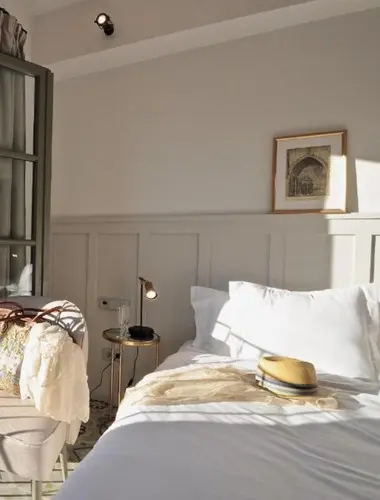
Hotel Basilica stands on what was once the vegetable garden of the Franciscan friars next door. Its most compelling detail remains in the breakfast room: a fourteenth-century Gothic arch, left bare within a house built around 1700. The 38 rooms are lighter and simpler than Palma’s more theatrical palace hotels, with tiled floors, beams and windows opening towards the old town. A rooftop pool looks across ochre roofs towards the sea. It belongs here because it offers the city’s architectural depth without making grandeur the whole story, leaving room for an easy, genuinely local kind of stay.

Best for

Independent city breaks, rooftop afternoons and travellers seeking character without excess.
mallorca-hotels-hotel-basilica-01
mallorca-hotels-hotel-basilica-02

Can Cera Hotel

A seventeenth-century palacete that feels less like a hotel than an invitation into old Palma.

Why stay here

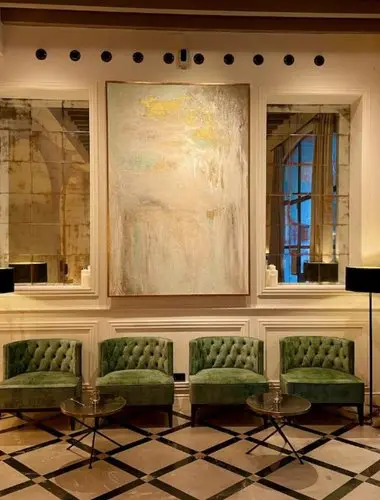
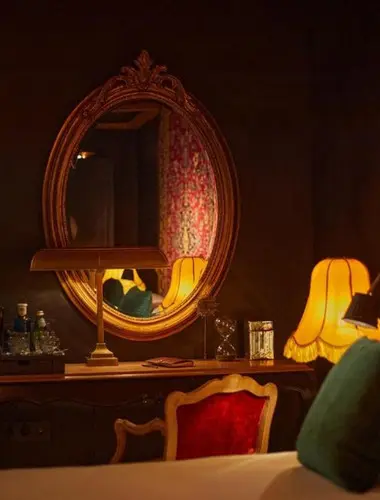
Can Cera is organised around the kind of stone courtyard that defines Palma’s grandest houses. Fourteen rooms unfold above it through staircases, salons and shadowed landings, creating the feeling of staying with an unusually well-travelled collector. Antiques, long curtains and Mallorcan architecture carry the history, while Jean Prouvé chairs and contemporary lighting stop it becoming overly reverent. The scale keeps everything personal, from breakfast to the small rooftop terrace. Sant Francesc sits around the corner, and the narrow streets nearby go almost silent after dinner. Palma feels private here, not presented.

Best for

Quiet luxury, heritage interiors and travellers who want old-town Palma at house scale.
mallorca-hotels-can-cera-hotel-01
mallorca-hotels-can-cera-hotel-02

Portella Palma

A painter’s former home where Palma’s quieter old town becomes part of the stay.

Why stay here

Portella occupies the former home and museum of Joaquín Torrents Lladó, and still carries the intimacy of a place made for looking and living. Studio Festen worked with local architects and island craftspeople, using terracotta patterns drawn from the nearby Arab Baths, handblown Gordiola glass and furniture made in oak and iron. Most of the 13 suites have kitchens, encouraging market mornings and longer stays rather than a hurried weekend. The rooftop looks across old tiles and church towers. This is Palma at residential pace, tucked beside the city wall where the streets fall quiet first.

Best for

Longer Palma stays, design-conscious travellers and anyone drawn to the life of an artist’s house.
mallorca-hotels-portella-palma-01
mallorca-hotels-portella-palma-02

Palma Riad

An eleven-suite hideaway that understands the courtyard as Palma’s most private kind of room.

Why stay here

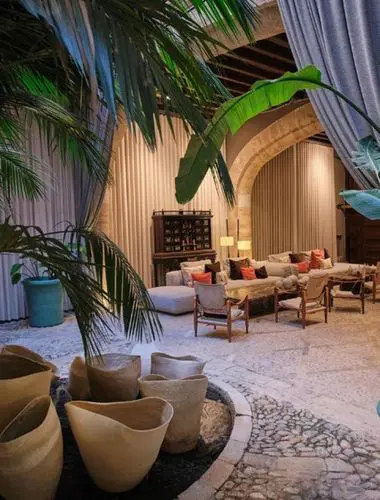
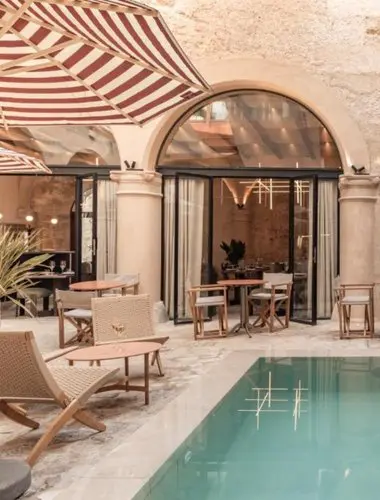
Palma Riad borrows the language of a Moroccan courtyard house, but the idea feels unusually natural here. Palma has always turned inward, hiding gardens, wells and pools behind heavy street doors. Eleven suites gather around a palm-filled patio where drinks arrive beside the water and the city seems to disappear. Mosaic, carved wood and low amber light create atmosphere without losing the intimacy of a house. Several rooms include hammam-style baths, while the old town begins immediately outside. The memorable luxury is not scale, but having so much of central Palma held quietly around you.

Best for

Romantic city breaks, adults-only stays and travellers who value privacy over facilities.
mallorca-hotels-palma-riad-01
mallorca-hotels-palma-riad-02

Nobis Hotel Palma

Eight centuries of Palma architecture, edited with a distinctly Scandinavian understanding of restraint.

Why stay here

Nobis begins with a building that could only belong to Palma. Moorish foundations, Gothic stonework and a baroque family residence sit within the same address, their irregular volumes preserved rather than corrected. Wingårdhs introduced pale timber, steel and quieter contemporary furniture, allowing the centuries to remain legible without turning the hotel into a museum. The 37 rooms follow the old walls, so no two feel quite alike. Outside, Carrer de les Caputxines leads through one of the old town’s calmest pockets, with the cathedral and morning cafés reached on foot.

Best for

Architecture-led city stays and travellers who prefer restraint to ceremony.
mallorca-hotels-nobis-hotel-palma-01
mallorca-hotels-nobis-hotel-palma-02
Best Restaurants In Mallorca NENI Mallorca

Where to Eat Nearby

NENI Mallorca

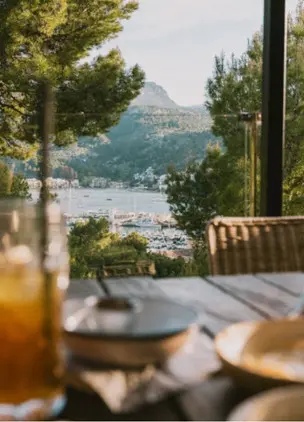
NENI Mallorca sits above Palma, with wide views and a table built for sharing. The menu draws from Mediterranean and Middle Eastern cooking, with dishes that come out steadily and fill the table quickly. It’s a livelier place than most on the island. When talking about the best restaurants in Mallorca, this is where you go for energy and atmosphere.

Palma de Mallorca or Serra de Tramuntana?

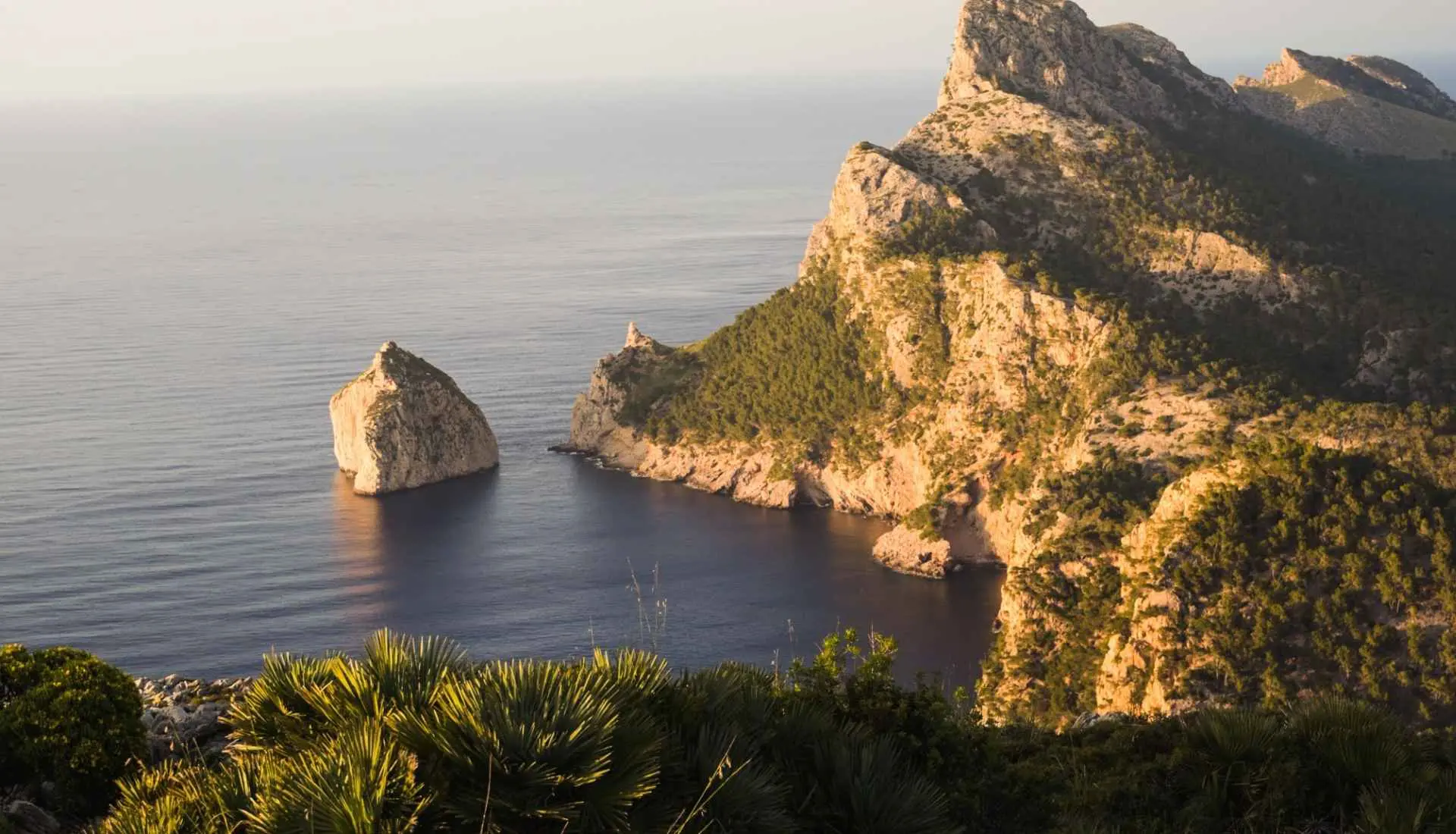
Palma is the better base when you want restaurants, architecture and most of the trip to happen on foot. Beaches and the mountains remain accessible, but the city provides enough substance to fill several days without leaving. The Revel Stay guide to the Serra de Tramuntana is built around a different pace: finca stays, mountain walks, village evenings and slow drives through difficult terrain. Choose Palma for cultural access, late dinners and freedom from the car. Choose the Tramuntana when the landscape should determine the day and you are happy for distances to take longer than expected.

Explore Other Neighbourhoods

serra de-tramuntana

Serra de Tramuntana

Mountain villages, old olive terraces and roads that make distance feel different.