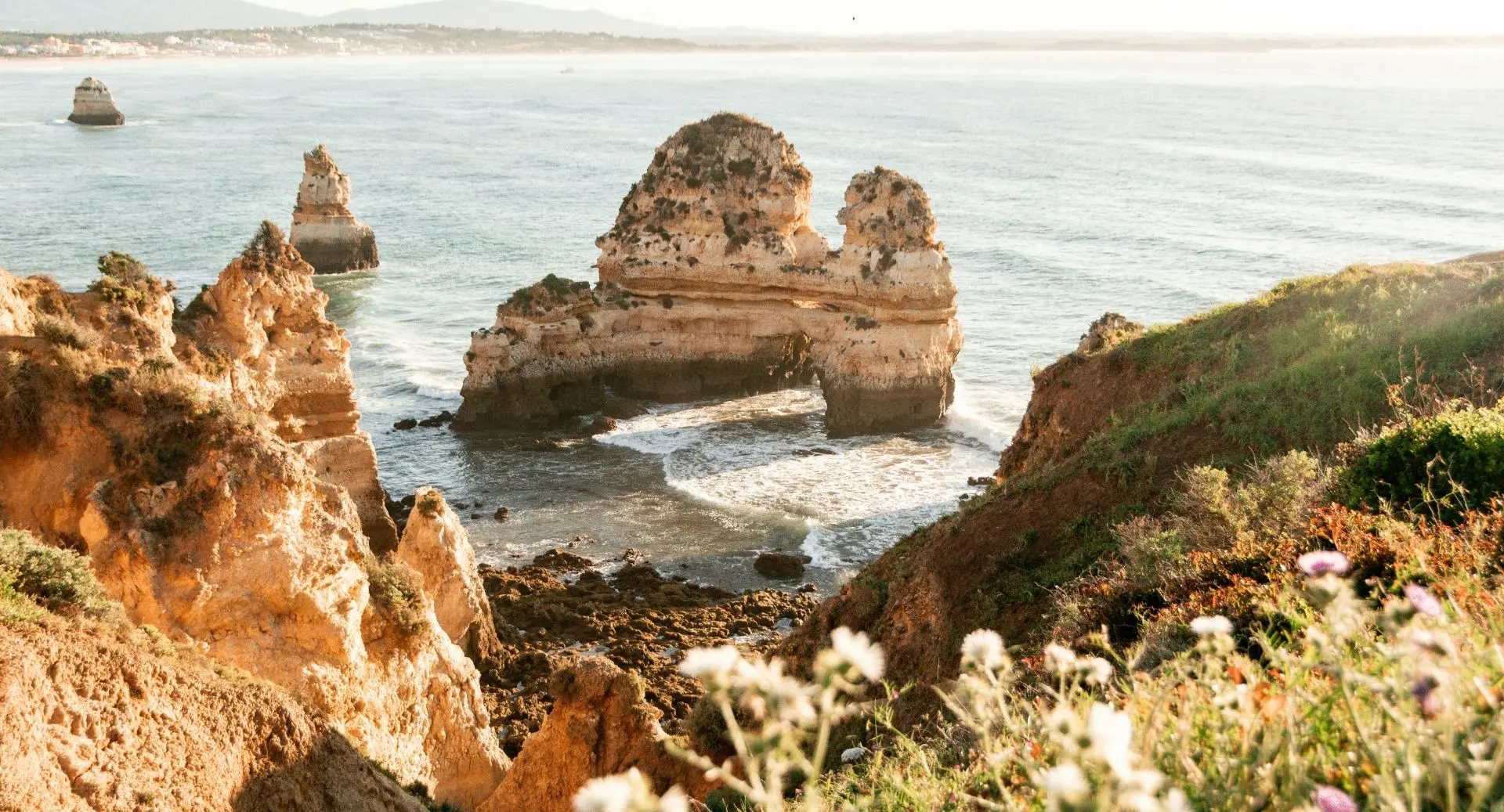
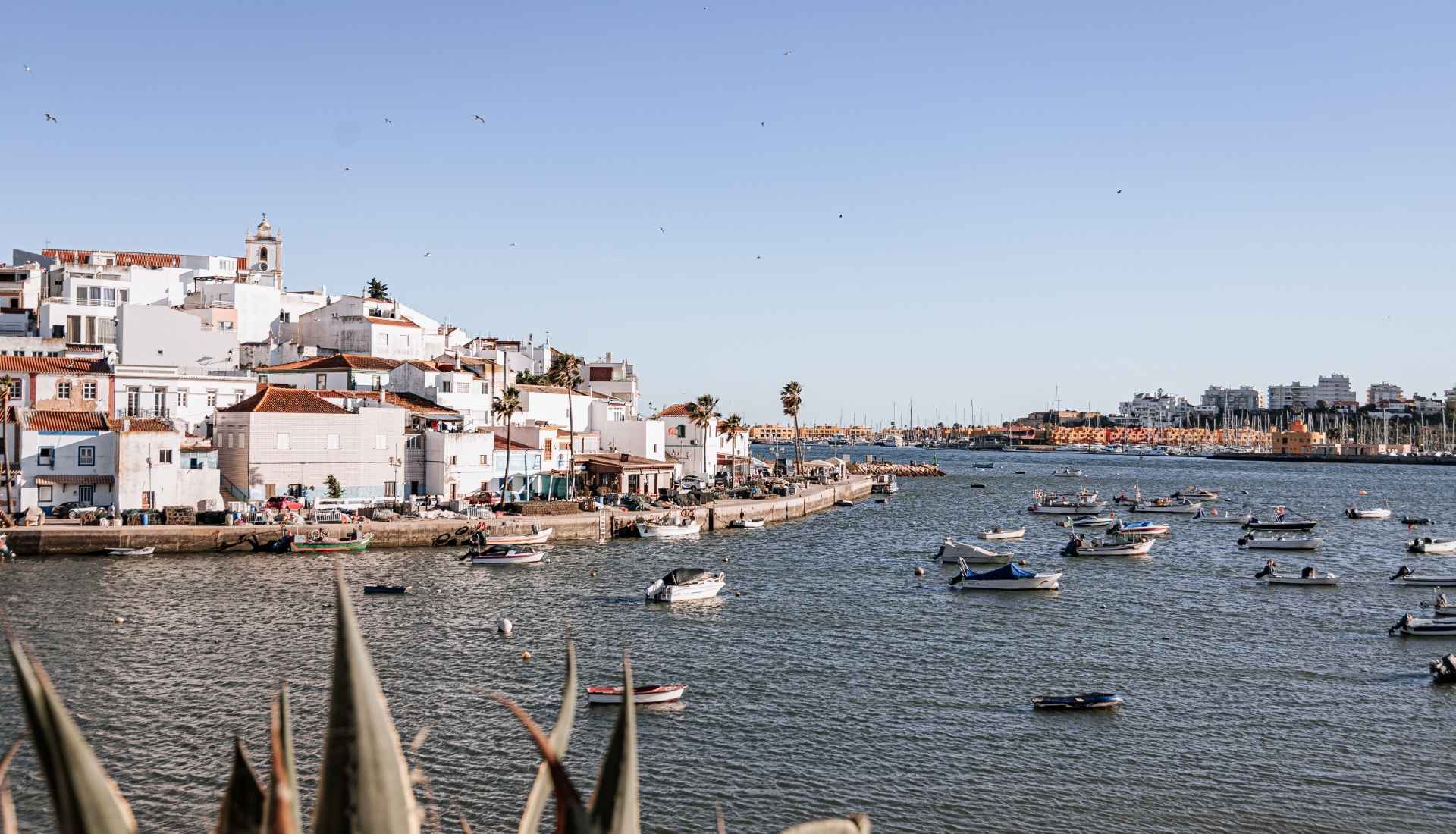
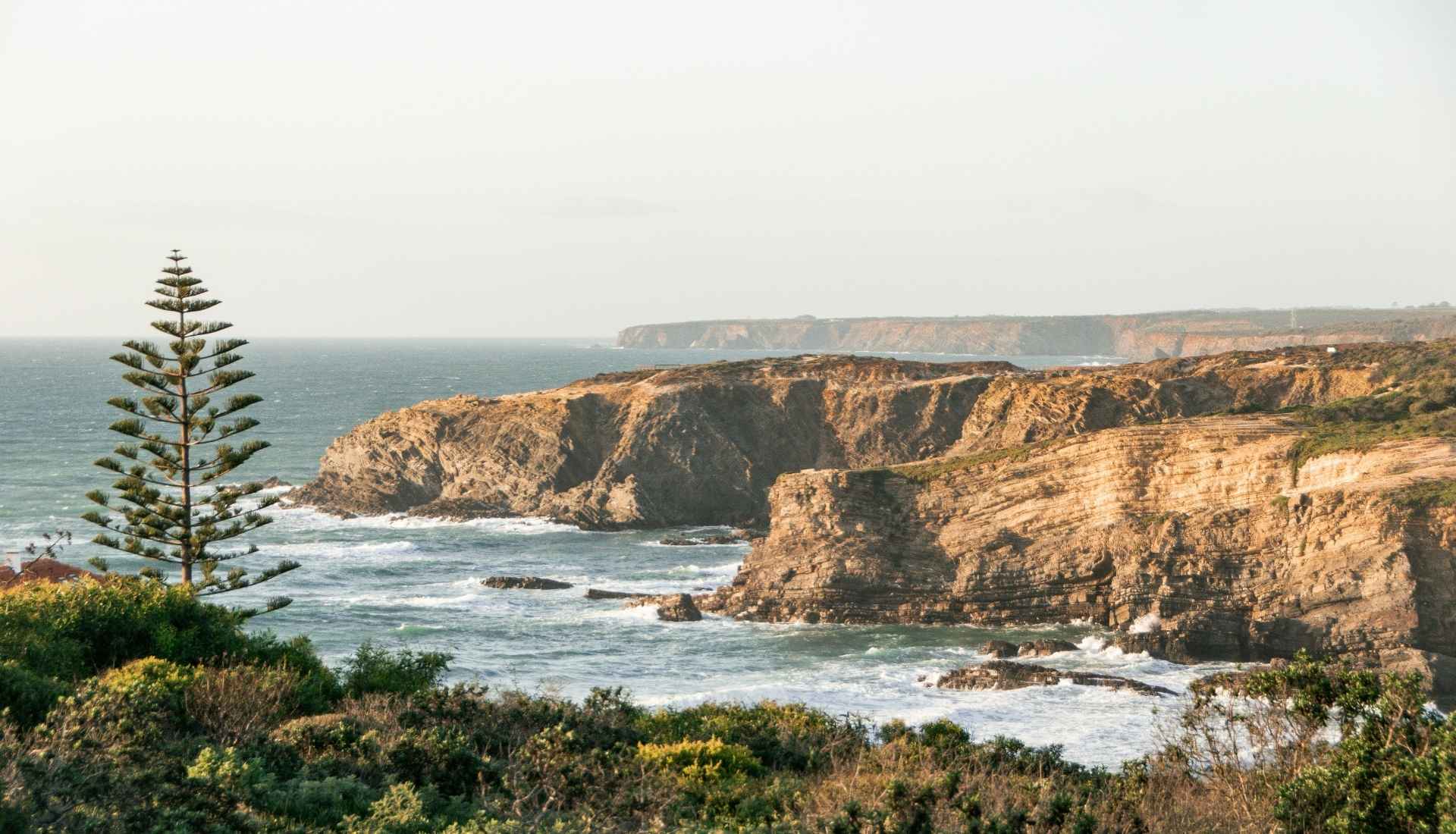
The Algarve changes once you leave the main road. The coastline breaks into smaller beaches, fishing villages, and long cliff edges where the Atlantic keeps its own rhythm. Inland, the ground dries out, orange groves thicken, and whitewashed towns sit quietly in the heat. The region holds both at once, sea and soil, movement and stillness, and the best parts of it are usually found somewhere between the two.
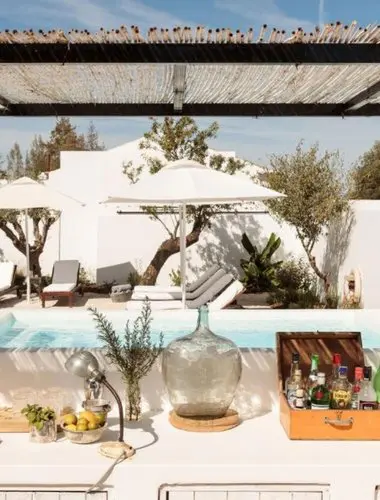
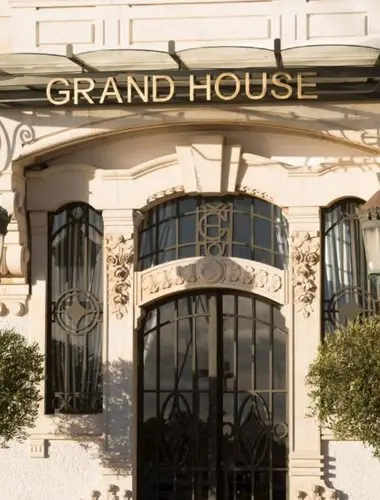
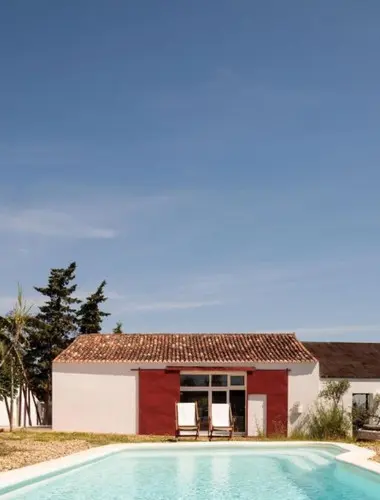
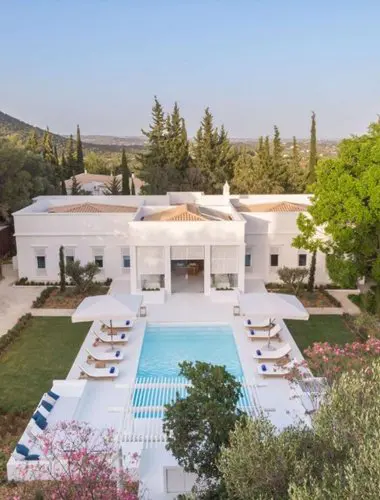
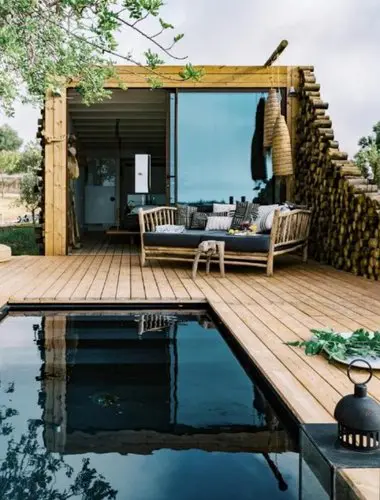
This Algarve travel guide brings those parts together. Hotels shaped by the land around them, houses that make staying in feel worthwhile, tables built around what came from the sea that morning, and vineyards where the afternoon tends to stretch. The Algarve makes more sense when you settle into it slowly, and let the day take its shape from there.

River towns, orange groves and an older version of the Algarve still visible between the lagoon and Spain.

Salt pans, fishing towns and barrier islands reached at the pace of the tide.

Atlantic roads, old surf towns and a coastline that still feels slightly beyond reach.


The Algarve changes depending on where you are standing. On the coast, the Atlantic keeps everything moving: tides, fishing boats, tables filling late into the afternoon. Further inland, the roads narrow, the ground dries out, and the day takes on a different pace. Orange groves, vineyards, market towns, long lunches that stretch without much effort. The region works best when you move between both, letting one part lead you into the next.

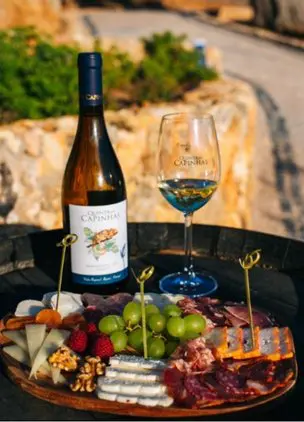
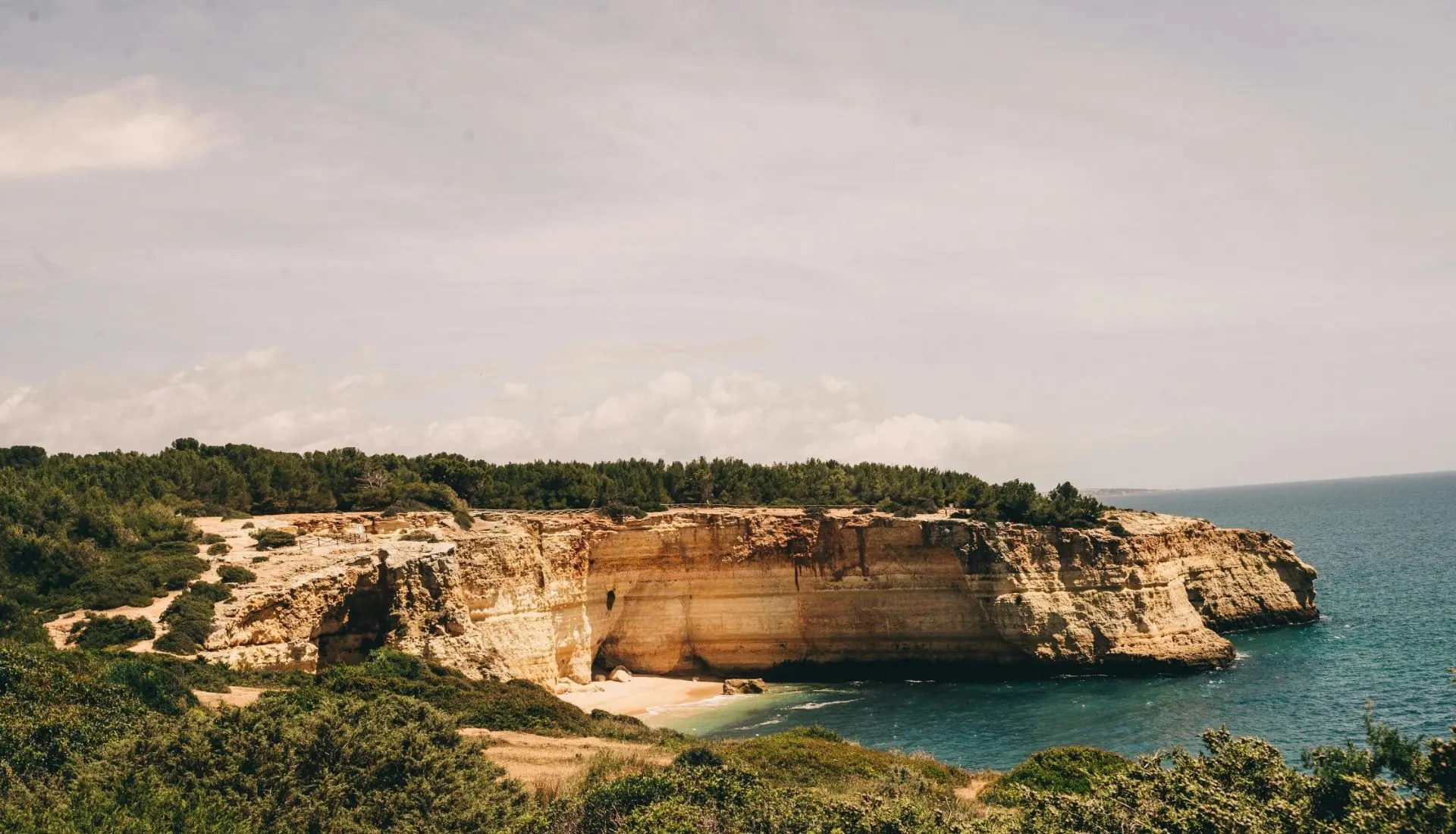
This stretch holds both sides of the Algarve well. Up above the cliffs, Lagoa stays practical and grounded, with bakeries, wineries, and smaller local places that still stop for lunch. Down by the water, Carvoeiro opens out into sea caves, hidden coves, and the kind of coastline that keeps pulling you further along it. The best days here usually start inland and end by the Atlantic.
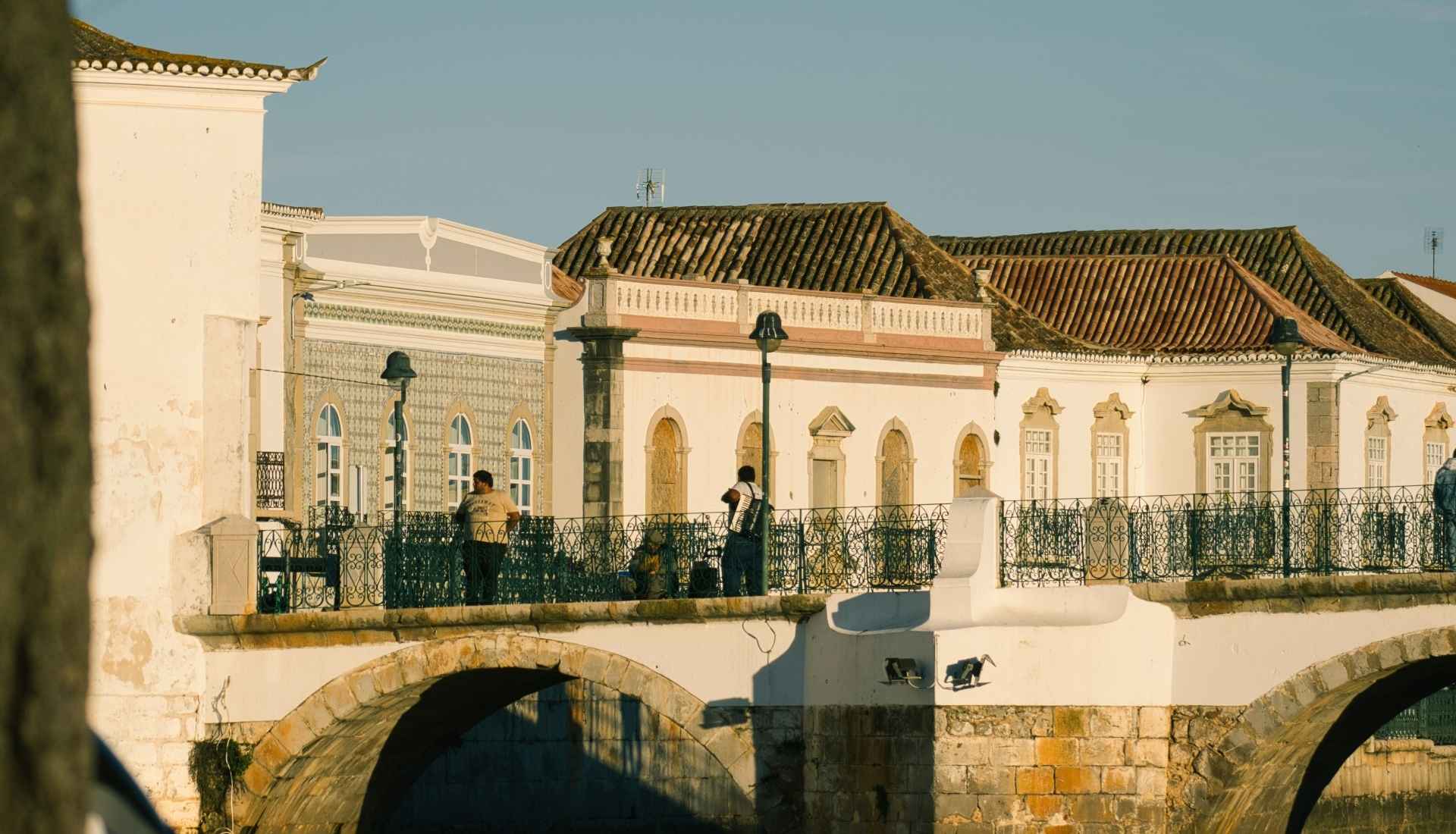
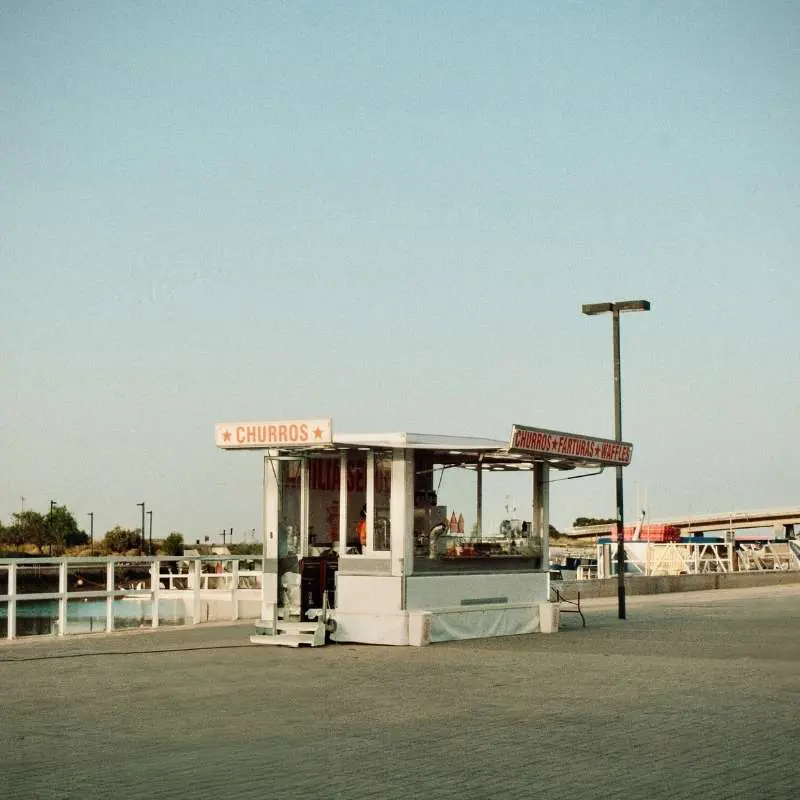
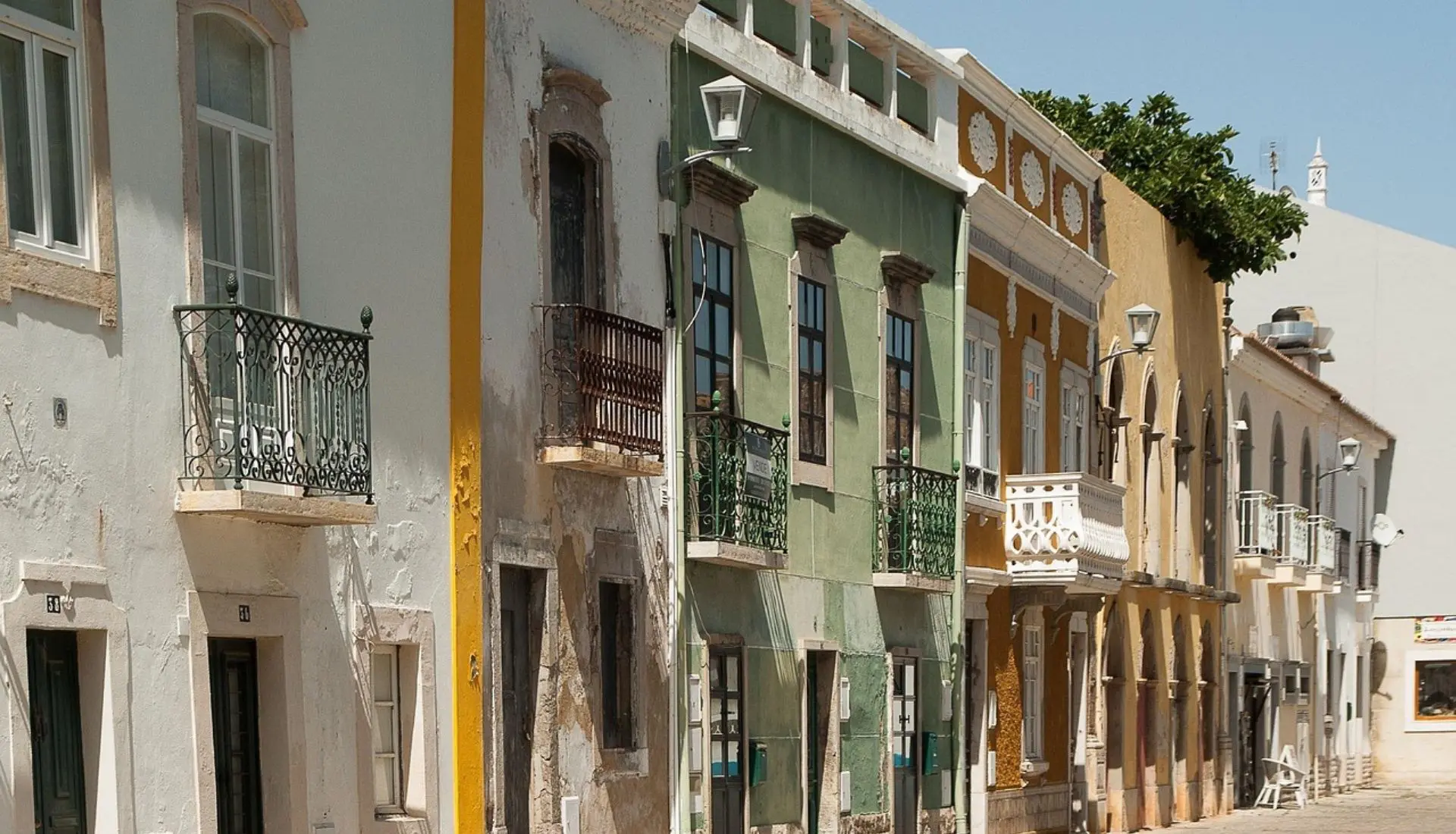
The eastern side of the region feels older. Tavira moves at its own pace, tiled facades, river crossings, small cafés, and fish markets already working by early morning. The beaches sit offshore, reached by ferry, which keeps a little distance between the town and the sea. By evening, tables fill with grilled fish, octopus, and wine poured without much discussion. Not much has changed here, which is part of the appeal.


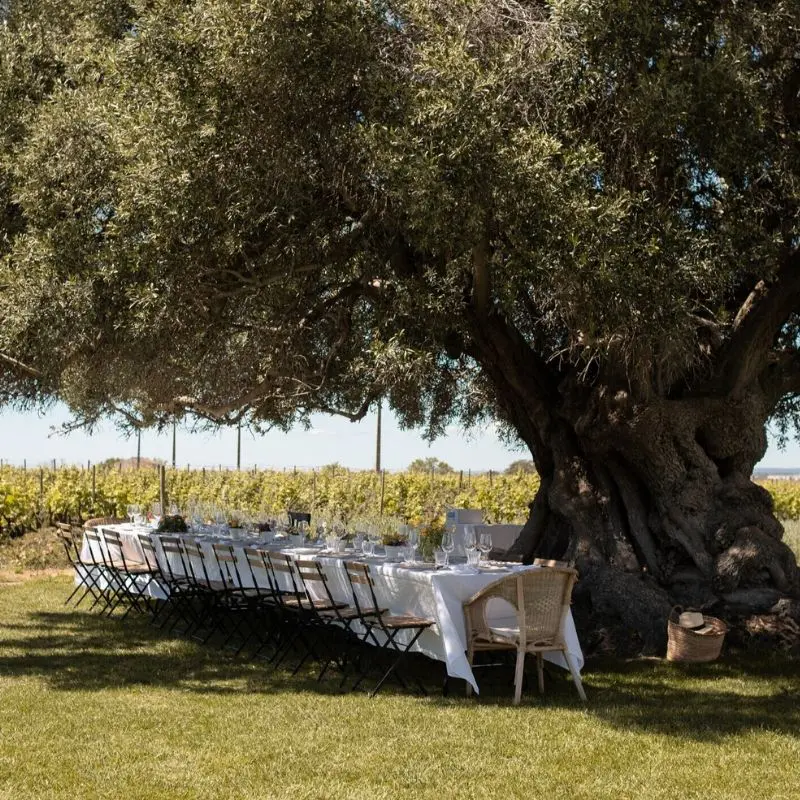
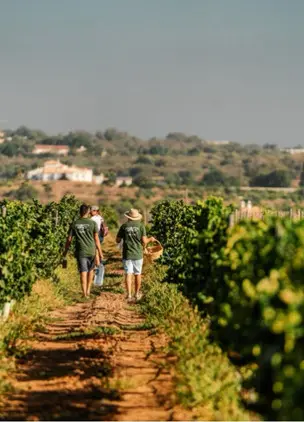
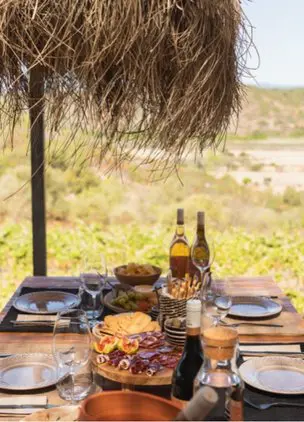
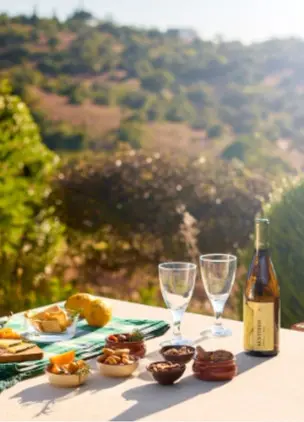
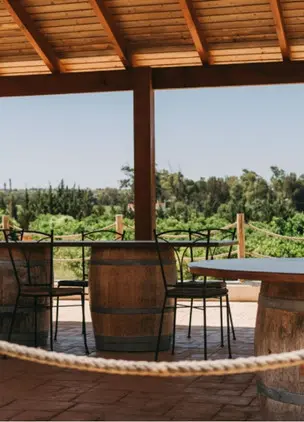
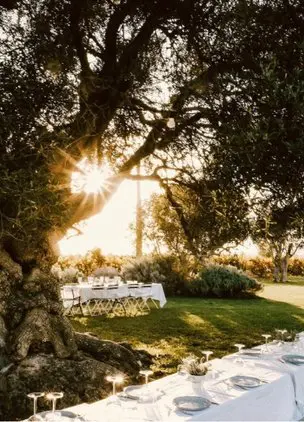
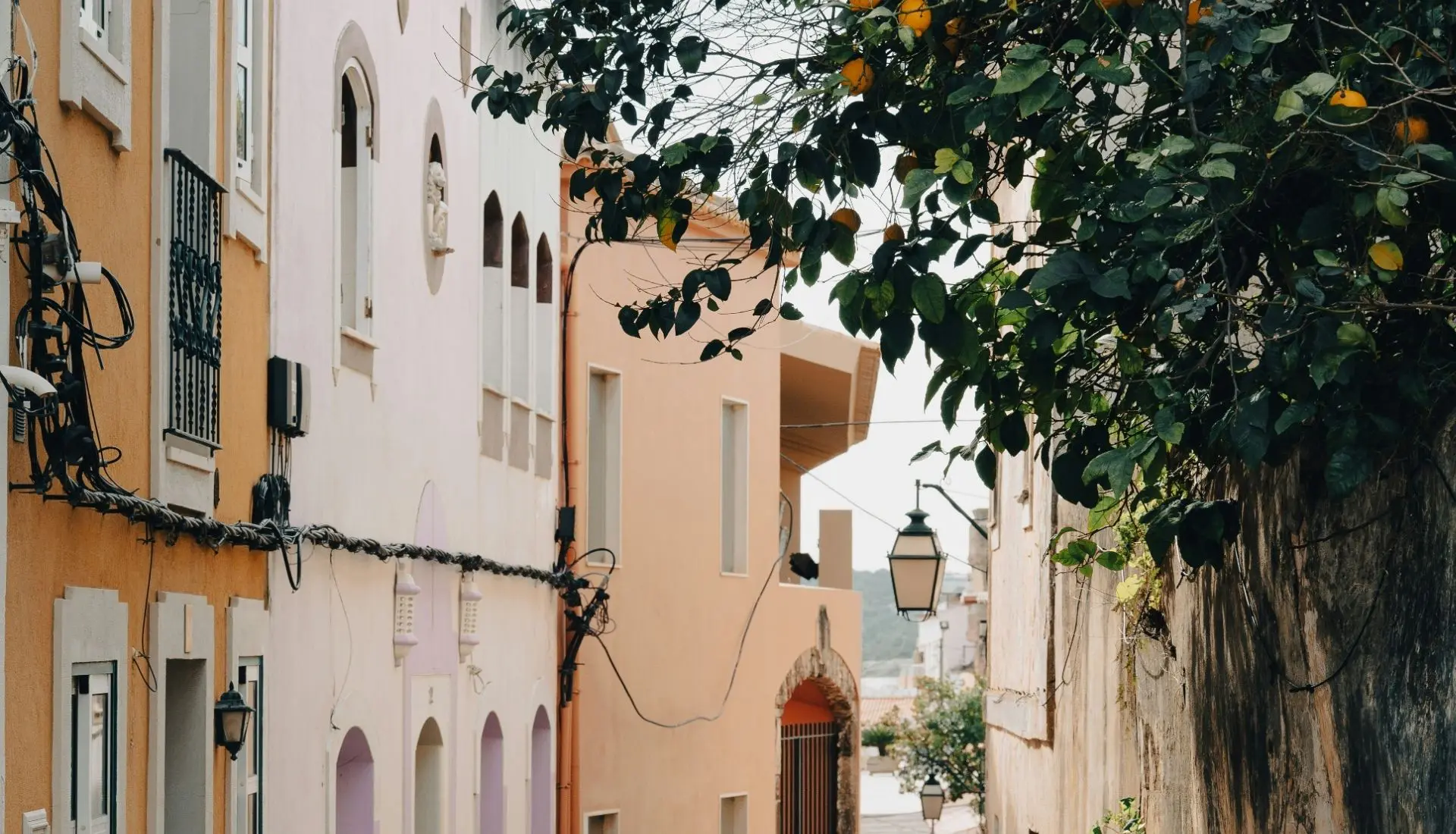
Silves sits further back, where the Algarve feels more agricultural than coastal. Orange groves line the roads, fig trees break up the fields, and the smell of eucalyptus catches in the heat. The town still holds its older Moorish shape, but daily life stays simple: morning markets, long lunches, slower afternoons. Just outside town, vineyards and farm tables stretch into the hills, and the day tends to follow them.
For collaborations and enquiries
We use cookies to improve your experience and understand how the site is used. You can accept or manage your preferences at any time.