Chianti

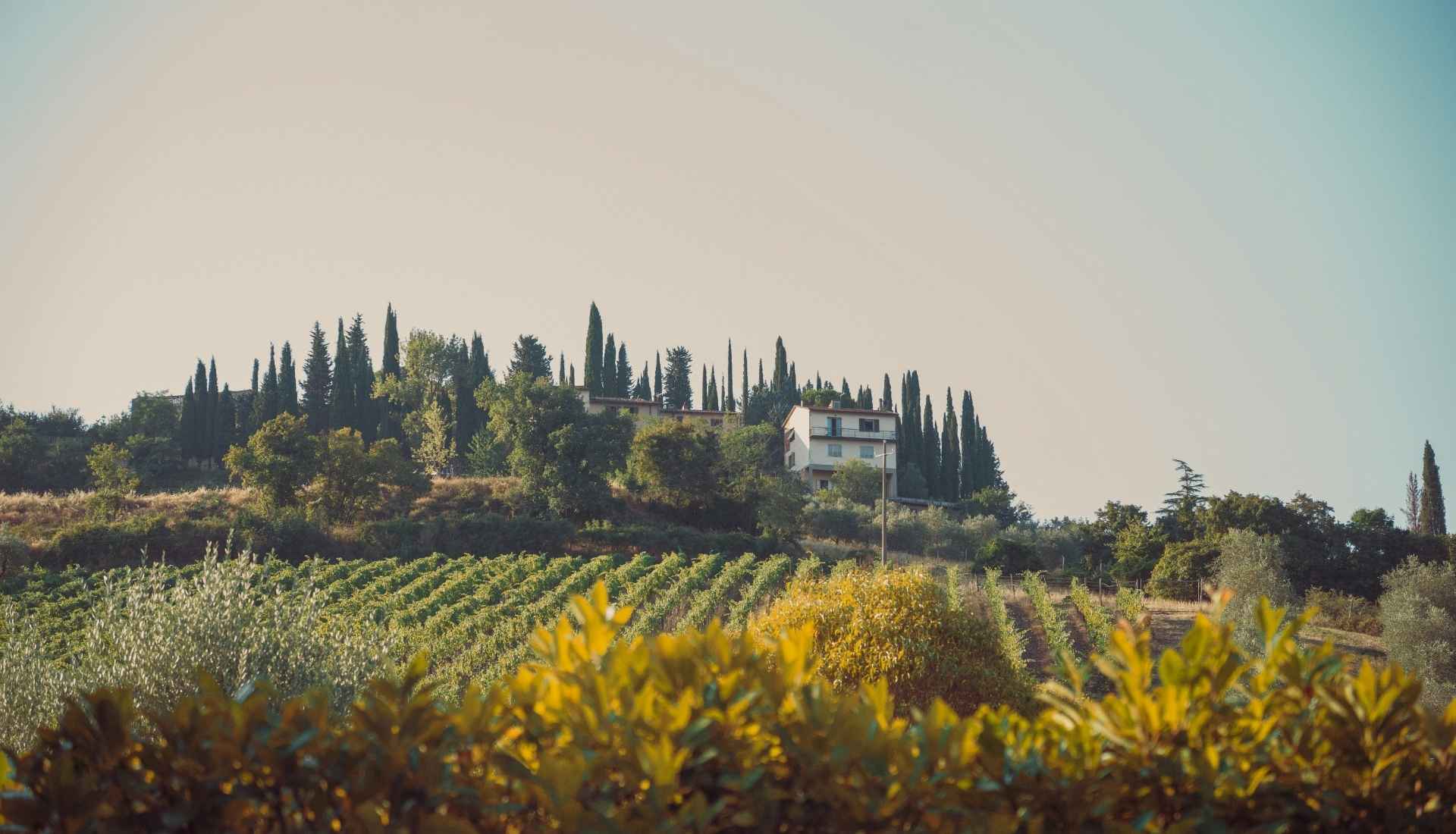
Working cellars, white roads and wine estates stretched between Florence and Siena.

hotels-in-chianti-2

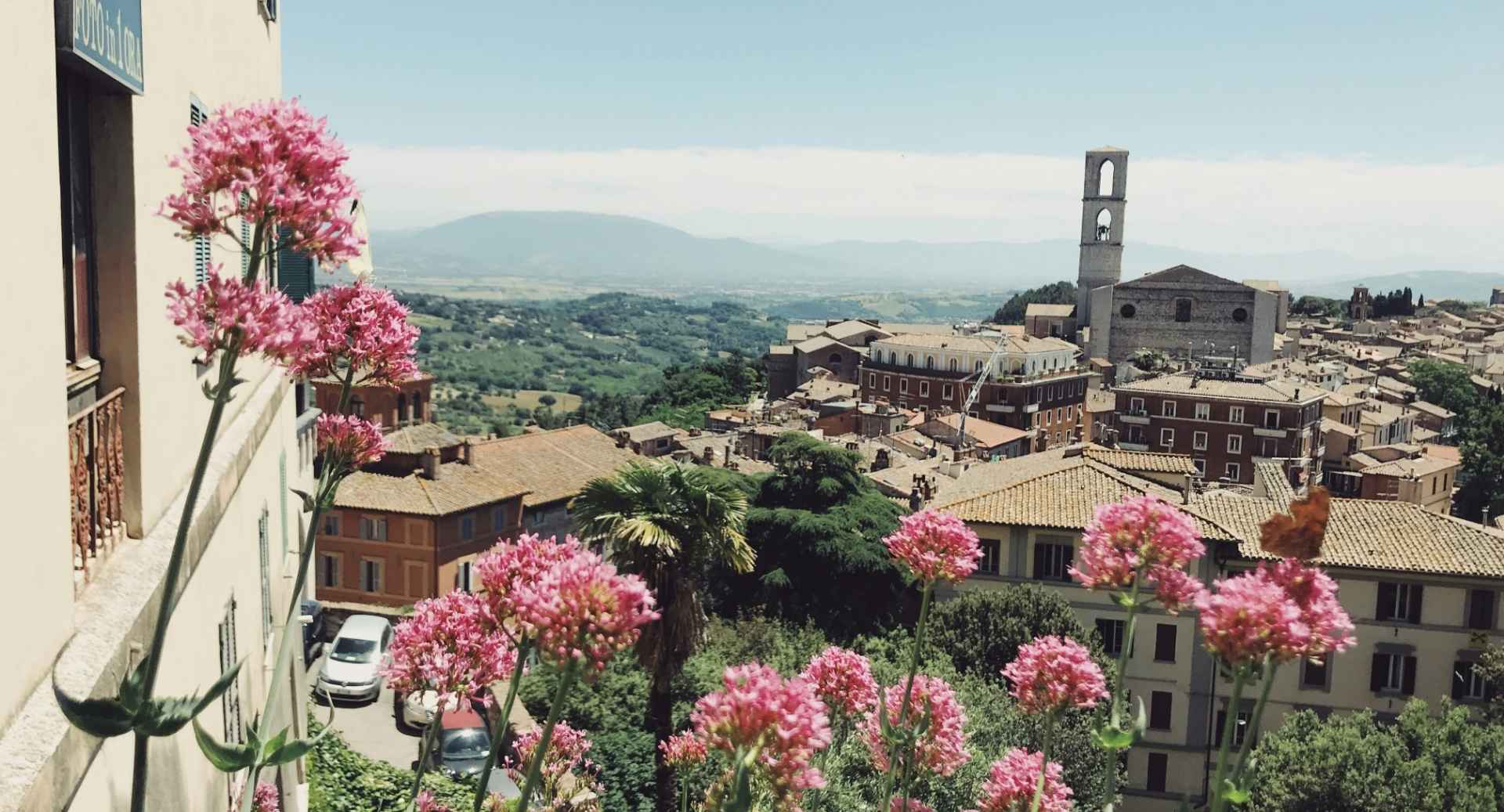
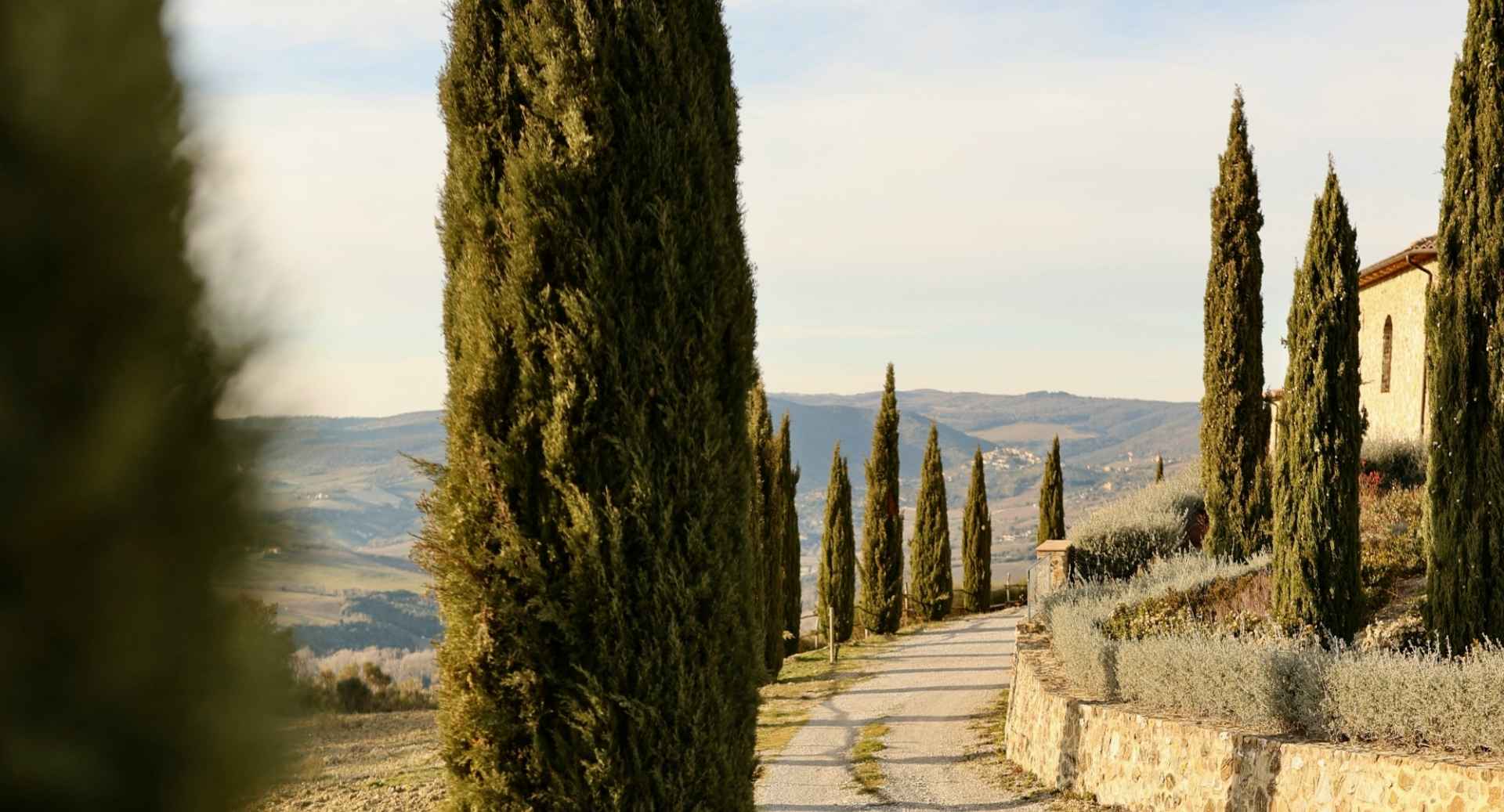
Chianti is not one town but a broad wine landscape of villages, estates and wooded hills between Florence and Siena. Greve, Panzano, Castellina and Radda provide useful stopping points, though much of the region’s character sits beyond them, along gravel roads leading to farmhouses, cellars and former agricultural hamlets. Chianti Classico gives the area its common language, but the stays vary considerably. Some are traditional relais with an osteria and tasting room. Others occupy entire borgos or newly restored farms producing wine, oil, vin santo and grappa. A car is essential, and choosing an estate with dinner removes one of the evening’s more difficult decisions.

best for

• Chianti Classico and estate tastings
• Farm stays between Florence and Siena
• Long lunches and countryside drives
• Travellers comfortable on gravel roads

skip if

• You want to explore entirely on foot
• Wine is not part of the attraction
• You dislike driving after dark
• You prefer cities, museums and late nights

Why stay in Chianti?

Chianti makes more sense when the vineyard is part of the stay rather than a stop between cities. Sleeping on an estate gives time to walk the rows, understand what the cellar produces and drink at dinner without immediately returning to the car. It also reveals the differences between the region’s properties: a family farm near Florence behaves differently from a remote borgo beyond Castellina. Location matters. Northern Chianti makes day trips into Florence easier, while the central villages place Siena and more producers within reach. Look closely at restaurant opening days, road surfaces and distance from town before choosing somewhere based on the view alone.

hotels-in-chianti-2

Hotels

Fattoria di Vegi

A newly restored wine farm where the restaurant still occupies the estate's old cantina.

Why stay here

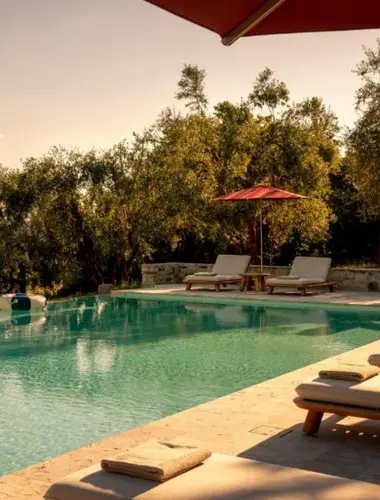
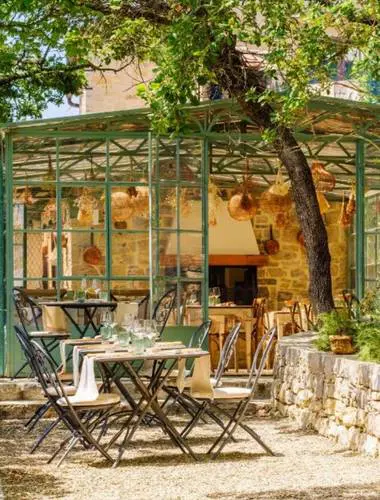
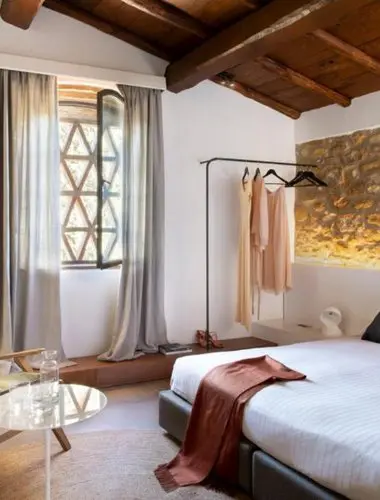
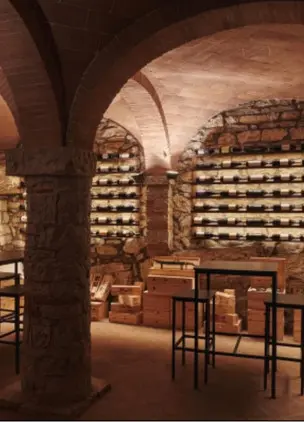
Fattoria di Vegi centres on a twelfth-century watchtower, later used by the Squarcialupi family and eventually absorbed into ordinary farmland. The Boomsma family's 2023 restoration gives the rooms a fresher edge than many Chianti estates, while the agricultural parts remain recognisable. Wine, vin santo, olive oil and grappa are produced on site. Dinner is served inside the old cantina. Farmhouses gather around a shared garden and pool, seven kilometres down the white roads from Castellina. Nights are properly dark here. New interiors help, but the working cellar gives the place its weight.

Best for

Travellers who want current interiors without losing the working rhythm of a Chianti farm.
tuscany-hotels-fattoria-di-vegi-01
tuscany-hotels-fattoria-di-vegi-02

Borgo Vescine

A former farming village where the lanes, square and olive terraces become the hotel.

Why stay here

Vescine was home to fourteen farming families before the village emptied in the early 1950s. Its second life keeps the original shape intact: 28 rooms and suites spread through old houses, cobbled lanes between them and a small square that still gathers people at dinner. Forty-two hectares of vines, woodland and olive terraces surround the borgo, with dry-stone walls holding the slopes in place. Twice a week, dinner moves outside, into the square or among the olive trees. Staying here feels different because there is no single hotel building. The village itself carries the experience.

Best for

Slow days on foot and travellers who want to inhabit a Chianti village.
tuscany-hotels-borgo-vescine-01
tuscany-hotels-borgo-vescine-02

Relais Poggio Borgoni

A traditional wine relais on the old Siena road, with dinner waiting inside the estate.

Why stay here

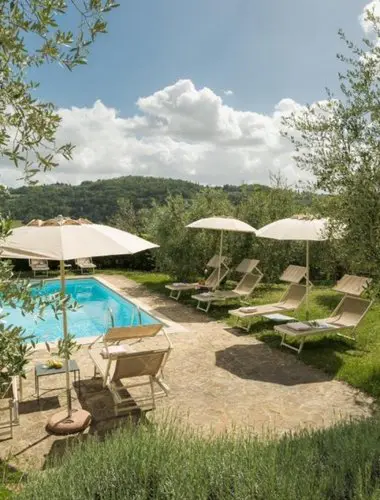
Poggio Borgoni stands above the Pesa river on the Cassia, the old road between Florence and Siena. Its fifteenth-century buildings keep terracotta floors, antique furniture and the straightforward proportions of a country estate. Chianti Classico is produced beyond the garden wall and poured at Osteria del Poggio, removing the need to drive after dinner. Tastings happen on request rather than according to an elaborate programme. The pool and hot tub face the vines. There are more fashionable ways to stay in Chianti, but few explain the traditional wine relais so clearly. This is the form, still doing its job.

Best for

Travellers who want estate wine, a dependable osteria and Chianti in its traditional register.
tuscany-hotels-relais-poggio-borgoni-01
tuscany-hotels-relais-poggio-borgoni-02

Salvadonica

A fourteenth-century borgo where Chianti Classico, family hospitality and Florence remain unusually close.

Why stay here

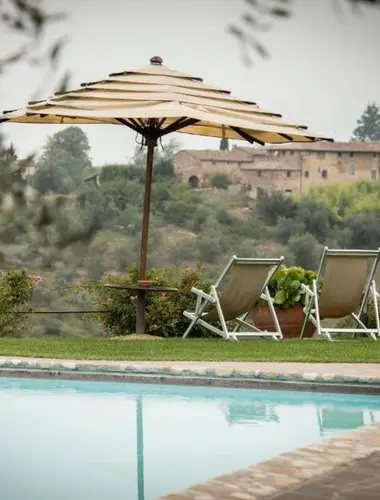
Salvadonica has the settled ease of a place that has hosted guests for more than twenty-five years. Beatrice and Francesca Baccetti grew up around the estate and now run rooms and apartments through courtyards once belonging to a Corsini borgo. Wine and olive oil still come from the surrounding farm; the pool looks straight across the vines. San Casciano is close and Florence's ring road is around twenty minutes away, making this a forgiving introduction to Chianti. Nothing requires much planning. The countryside begins at the gate and the family already knows how the week should unfold.

Best for

First Chianti stays combining family scale, estate wine and easy access to Florence.
tuscany-hotels-salvadonica-01
tuscany-hotels-salvadonica-02
Best Tuscan Wineries Borgo Vescine

Where to Eat Nearby

Borgo Vescine

Set within a restored medieval village in Chianti Classico, Borgo Vescine combines a working winery with a place to stay. Vineyards surround the borgo, and tastings are often paired with long lunches or dinners on site. The wines reflect the region, structured and balanced. It’s easy to see why it’s included among the best Tuscan wineries for the overall experience.

Chianti or Florence?

Chianti is the better choice when wine estates, country roads and time spent at the hotel should shape the trip. Days require more planning, evenings are quieter and the car becomes part of almost every outing. The Revel Stay guide to Florence offers the opposite arrangement: museums, markets, restaurants and architecture concentrated within a city best explored on foot. Choose Chianti for working vineyards, estate dinners and space around the day. Choose Florence when cultural access and spontaneity matter more than rural privacy. For a longer Tuscany trip, the two work better in sequence than as substitutes.

Explore Other Neighbourhoods

Hotels In Montepulciano

Montepulciano

Vino Nobile cellars, steep stone streets and a hill town that keeps wine close to everyday life.

Affordable Hotels In Tuscany

Val d'Orcia

Brunello vineyards, thermal water and long roads between some of southern Tuscany’s smallest towns.

hotels-in-florence-1

Florence

Renaissance streets, working markets and country estates that keep the city within reach.