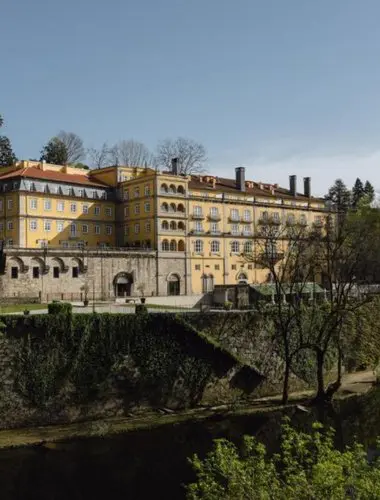
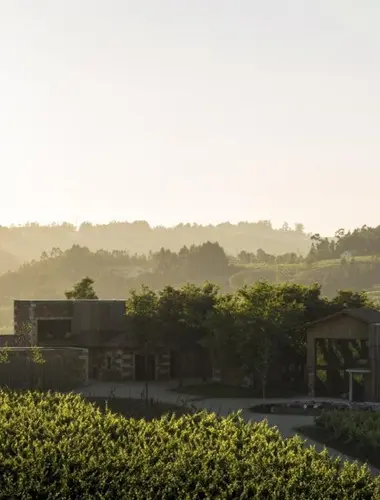
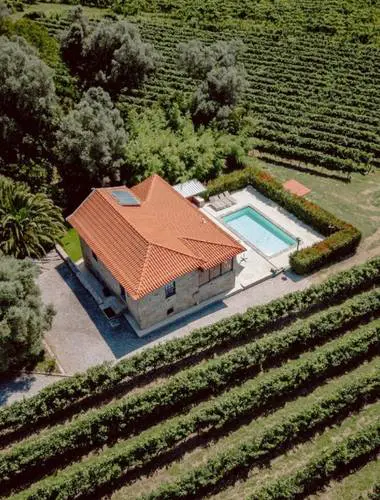
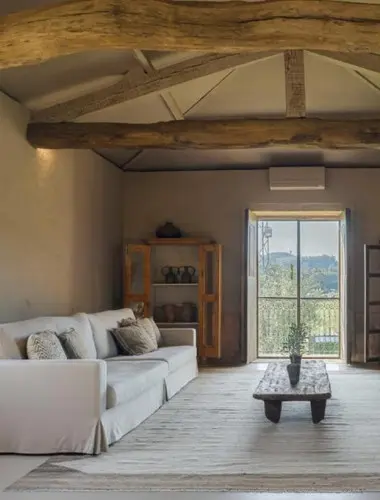
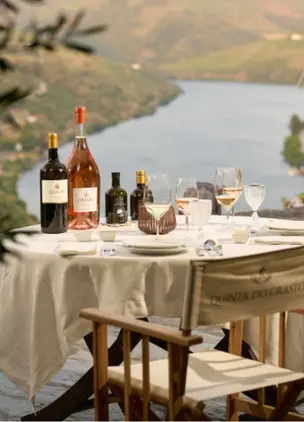
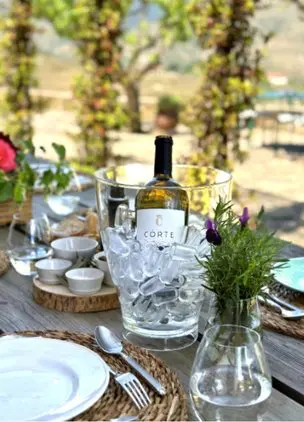
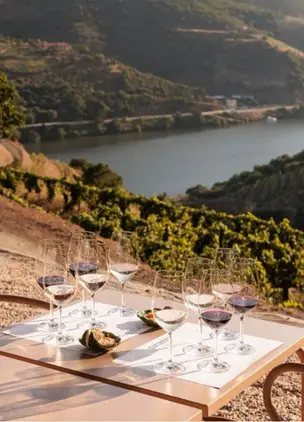
North Portugal feels deep and steady, a region shaped by river valleys, terraced vineyards, and small towns that carry the weight of history without losing their warmth. Life moves slower here. Mornings open with mist over the Douro, afternoons drift through quiet villages, and evenings settle into long dinners and local wine. This North Portugal travel guide shares where to stay in North Portugal, along with the best hotels, restaurants, and areas that reflect its rhythm, grounded, generous, and full of quiet character.
Here, travel is about presence. Drives follow winding roads carved into the hills. Meals come from nearby farms and old recipes. Days stretch easily between river walks, wine tastings, and moments that happen without planning. North Portugal is not about rushing from one place to another. It is about staying long enough for the landscape to slow you down, soften your pace, and let you feel the depth of the region.

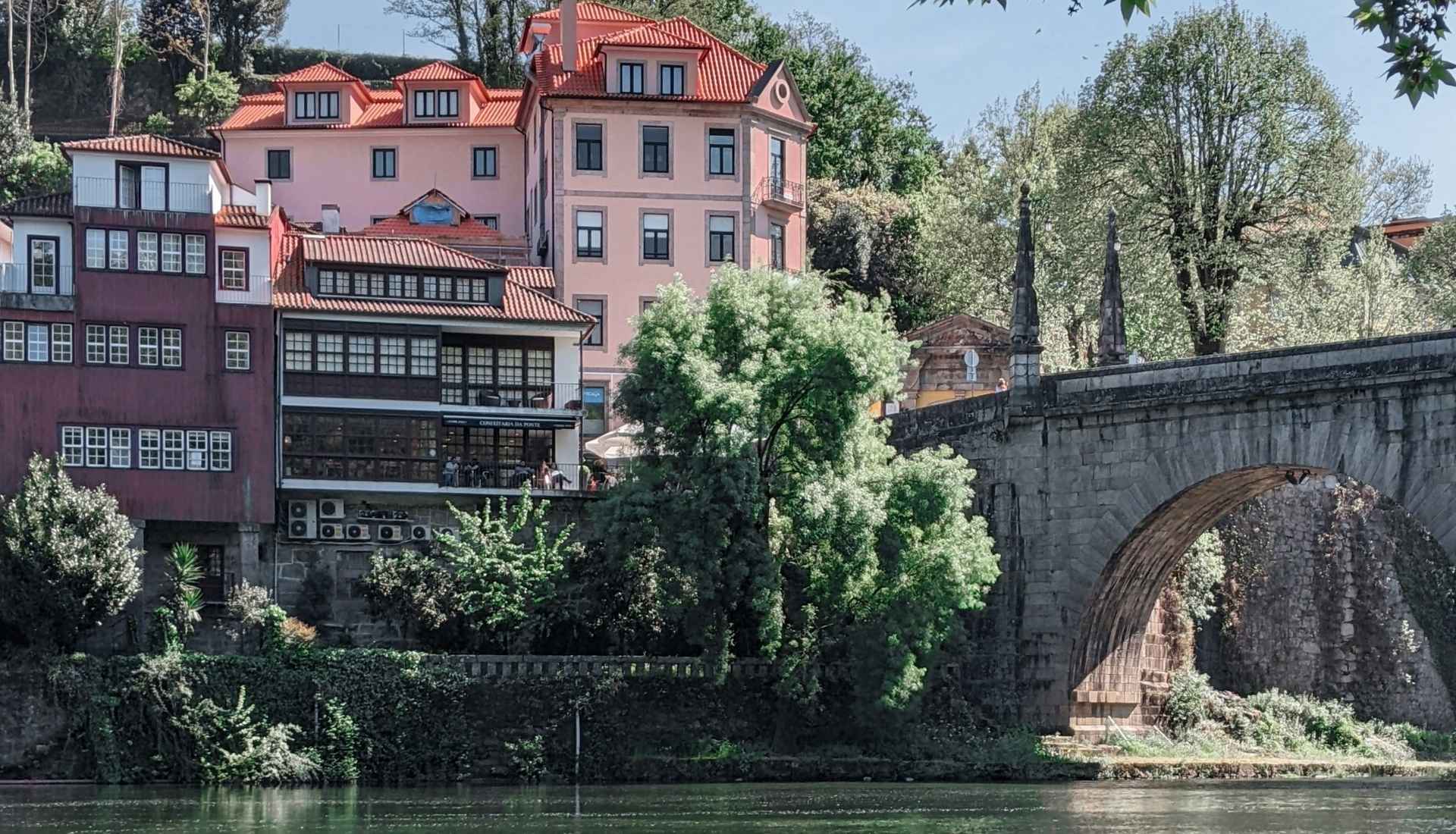
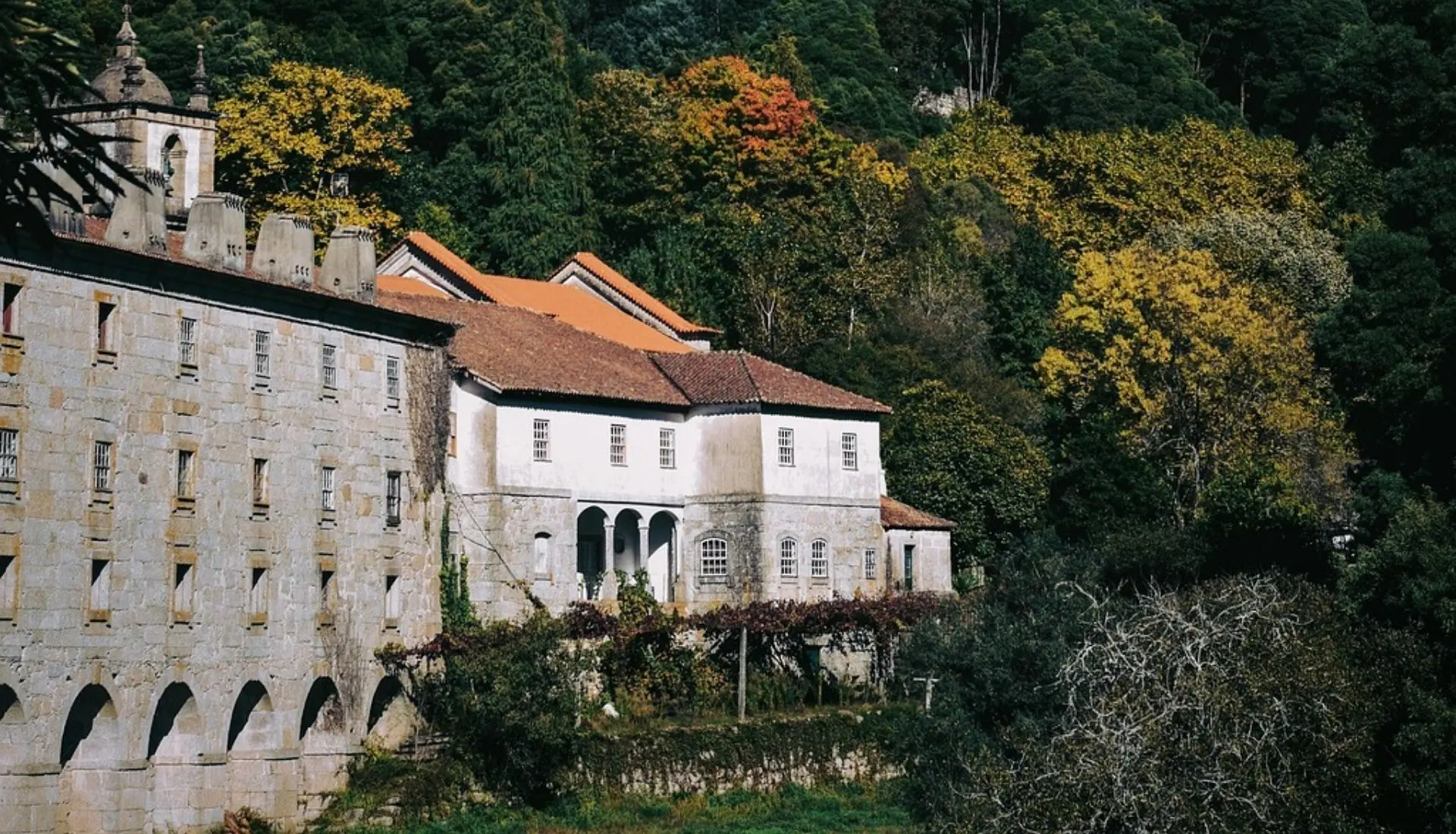
A river town of stone bridges, old confectioneries and vinho verde country within easy reach of Porto.

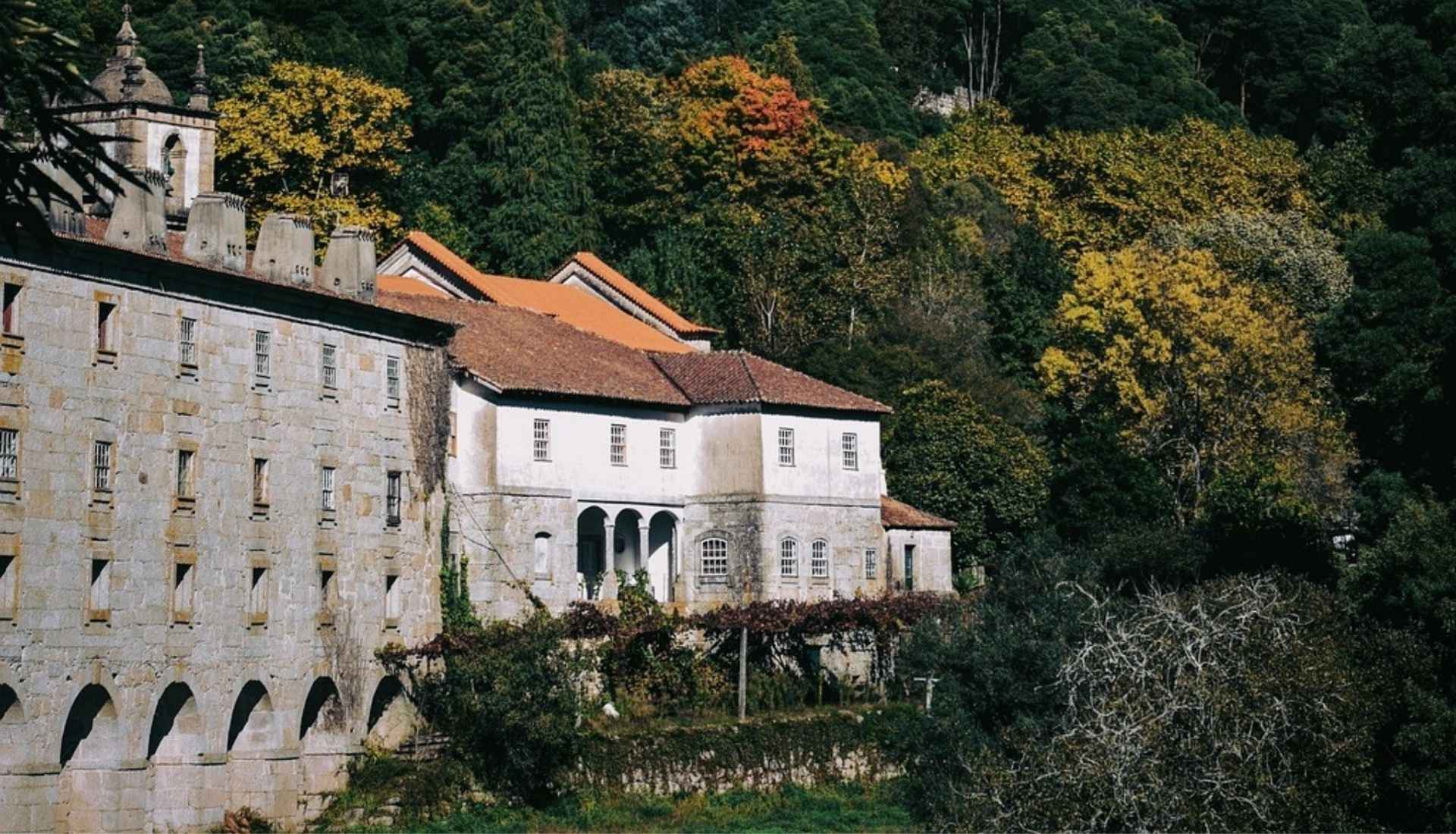
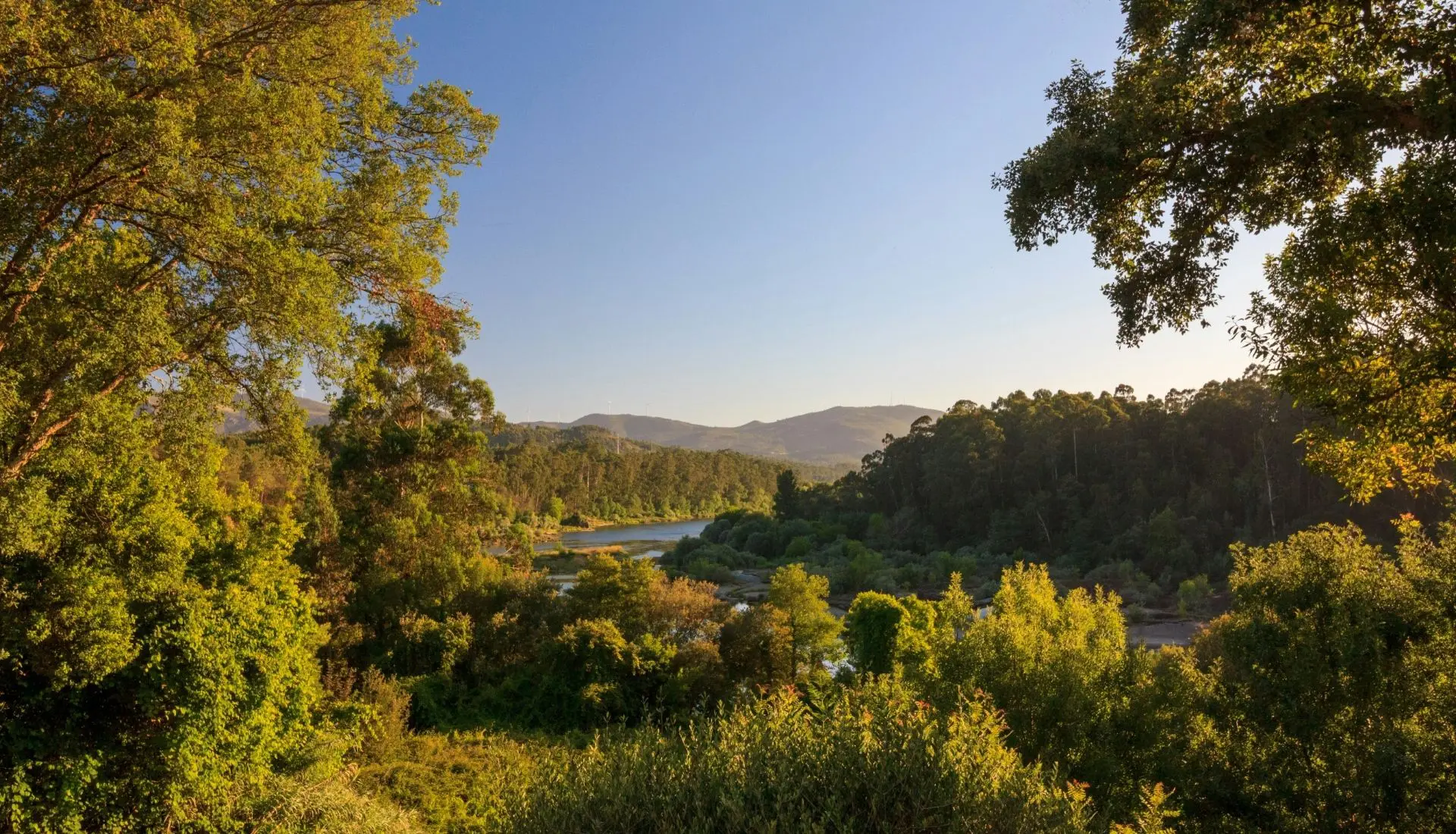
Granite farmhouses, vinho verde and a green northern landscape shaped by rain as much as sun.

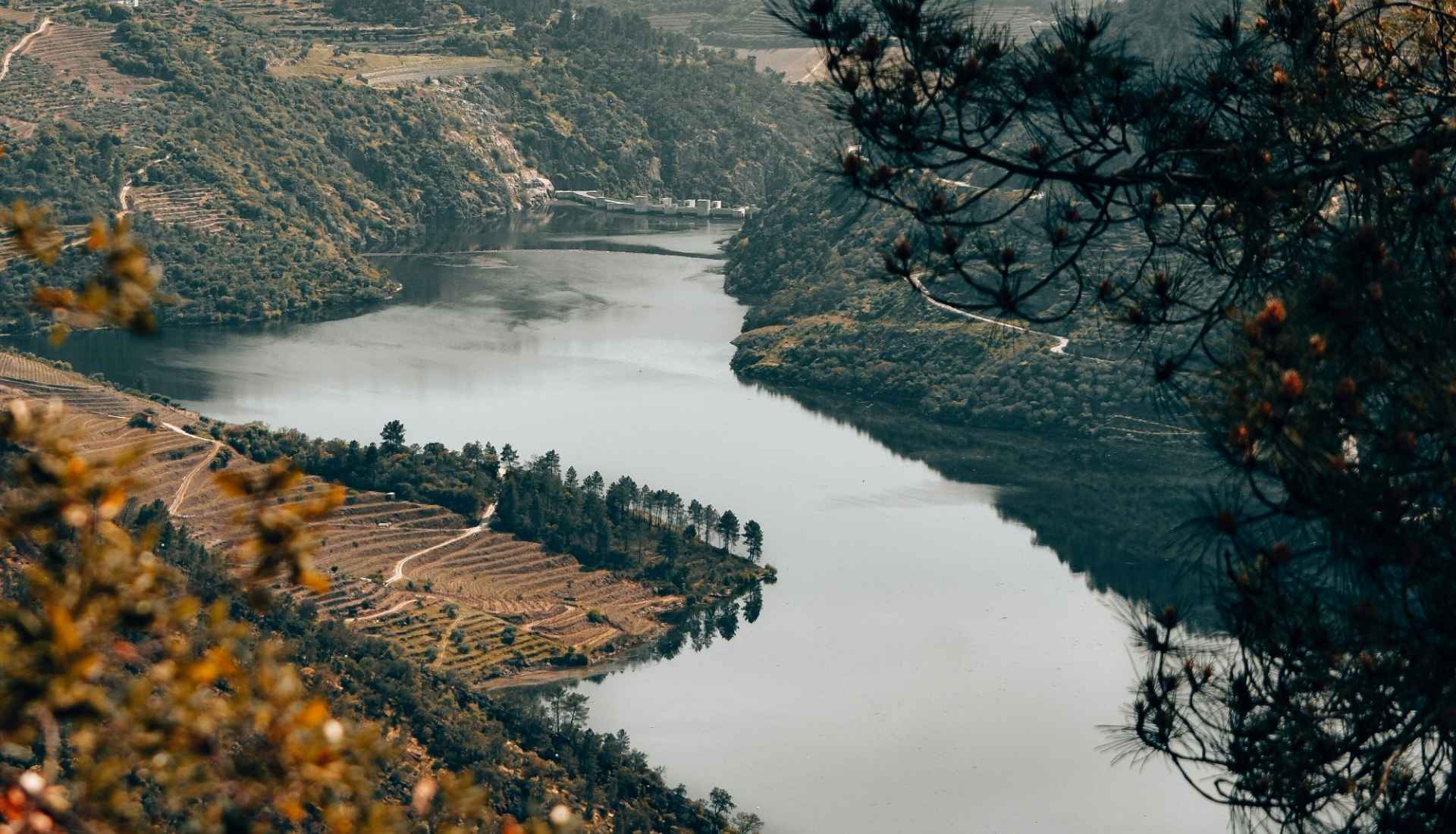
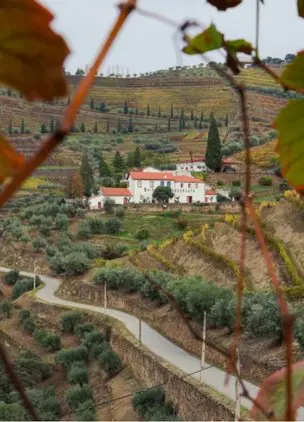
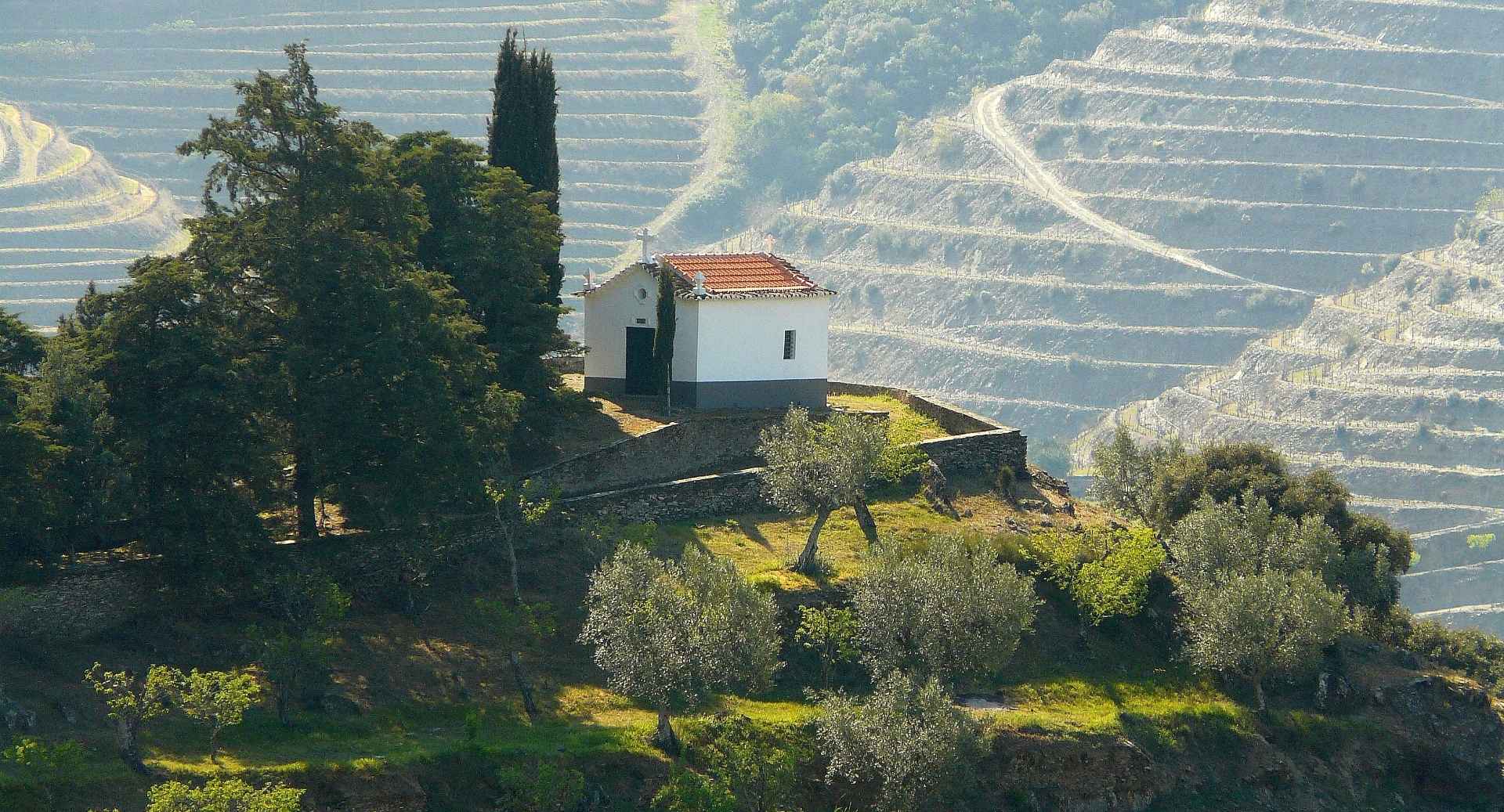
Schist terraces, working quintas and a river landscape built through generations of difficult labour.

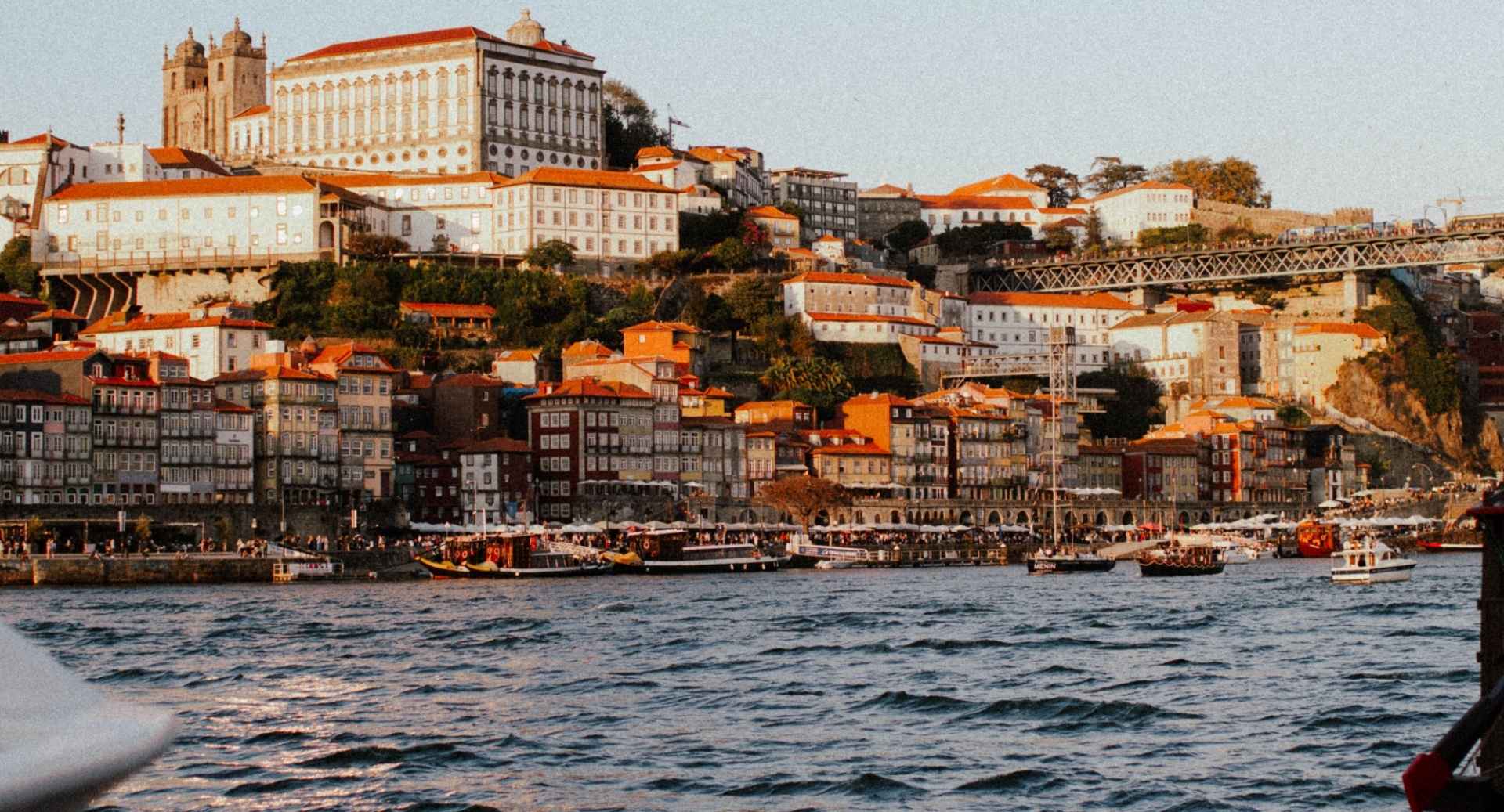
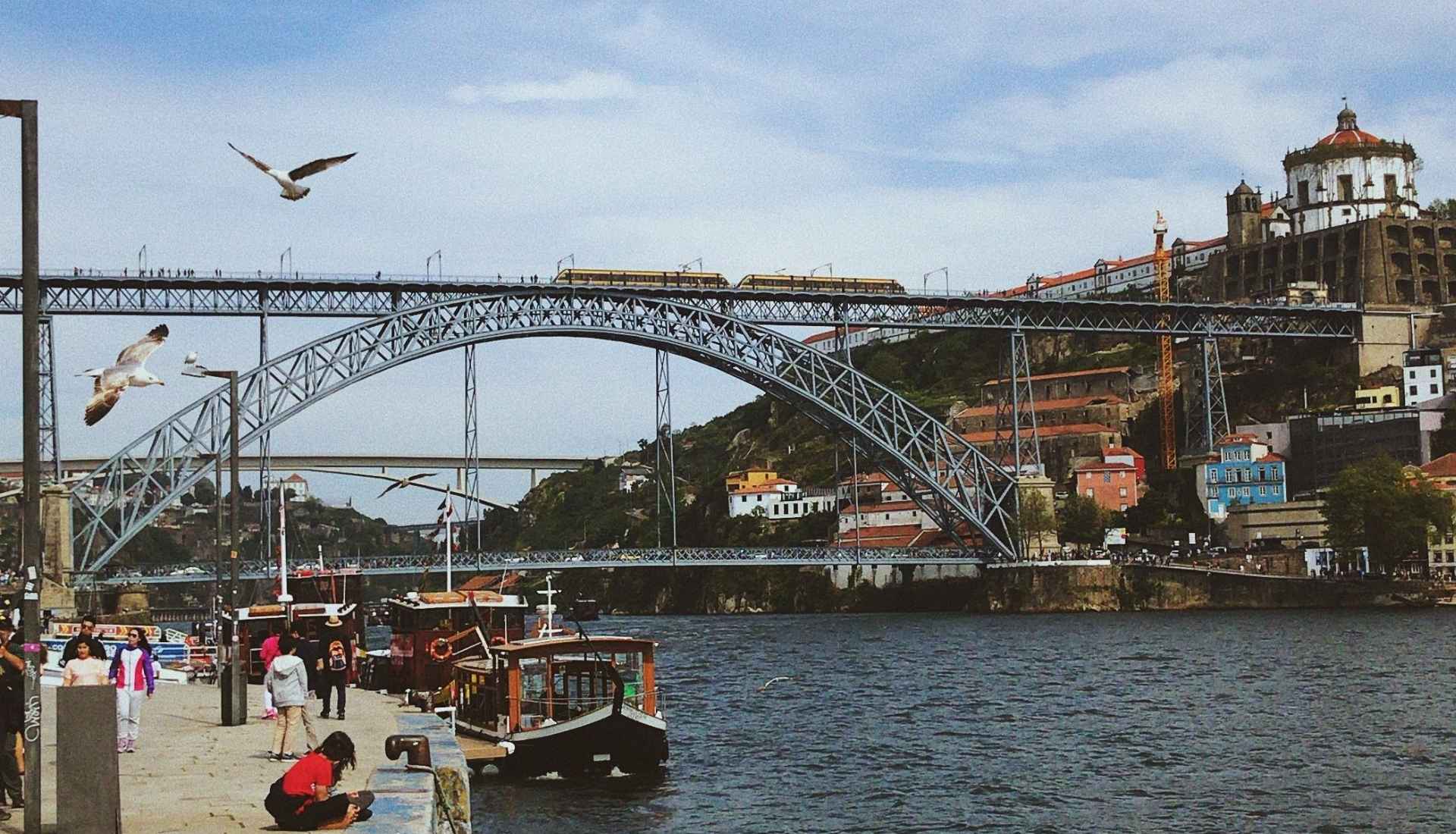
Granite streets, tiled façades and a river city built on trade, wine and difficult hills.


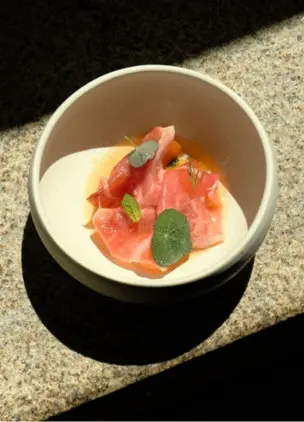
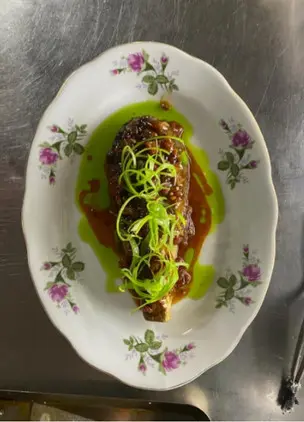
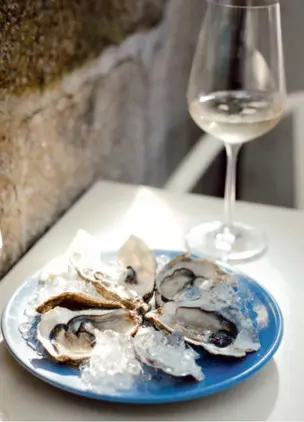
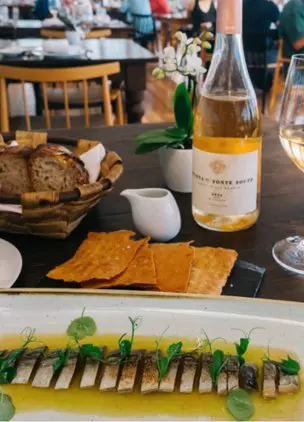
North Portugal asks you to slow down. You will need a car to see it properly, not for speed, but for the freedom to follow winding roads, quiet valleys, and small towns where time stretches out. You stop when something catches you and often stay longer than planned. Mornings feel misty and still. Afternoons drift between vineyards, river swims, and walks through old streets. Dinner is simple and local, grilled fish on the coast or slow-cooked dishes inland. This is not a region you rush. It is one you move through gently, paying attention as you go.

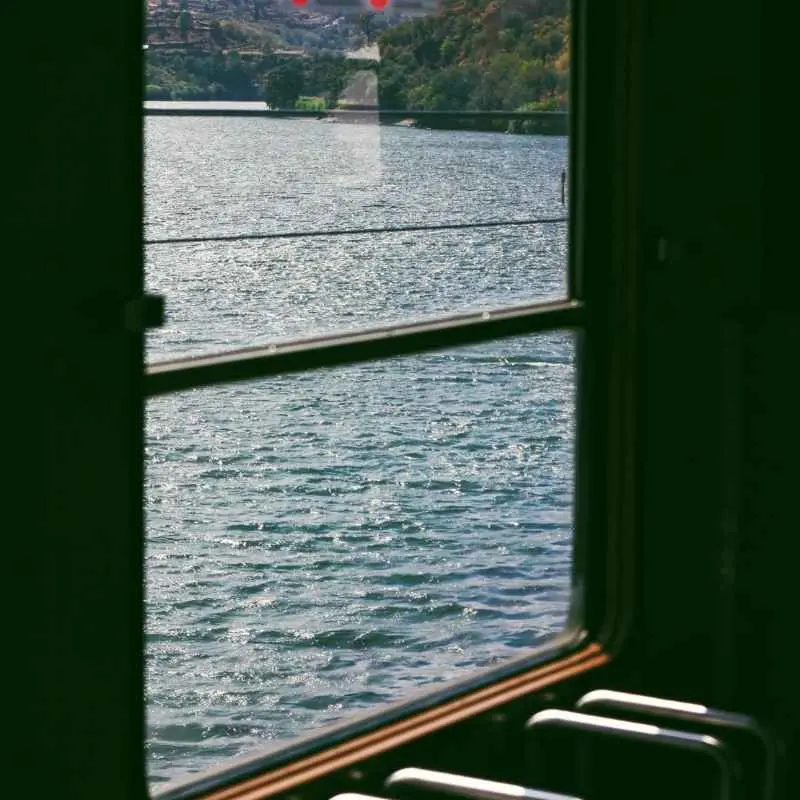
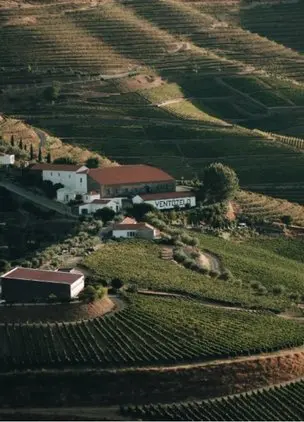
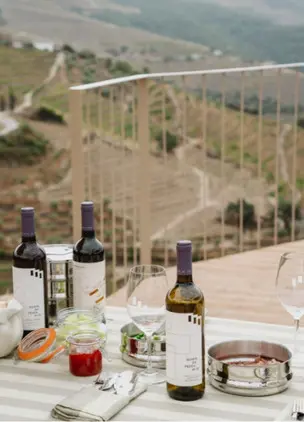
The Douro moves at its own pace, and you learn to match it. Terraced hills rise in green waves, shaped by vines, stone, and years of careful hands. Boats slide along the river, farmers wave from narrow roads, and lunches stretch well into the afternoon. You will find old estates and small family restaurants, both grounded in tradition rather than polish. Harvest season brings more people, but spring and late autumn keep the valley open and calm. The best days are unplanned. You follow the light, the river, and whatever feels right next.
Minho feels quietly alive. The hills are green, the air is humid with river breeze, and towns like Ponte de Lima or Monção move at a rhythm that has not changed much. Market days matter. Meals are unhurried. Wine is poured chilled into simple glasses. Expect grilled sardines, soft cheeses, and stews that taste like they have been made the same way for generations. It is not a region that tries to impress, and that is the point. Summer brings more visitors, but spring and early autumn show Minho at its best.


Peneda-Gerês holds a deeper quiet. Stone villages sit tucked into hillsides, waterfalls cut through dense forest, and the stillness feels almost old-world. Food comes from the landscape: grilled trout, mountain cheese, slow stews made without hurry. Nothing is glossy here. There is no scene. Just space, nature, and time. Summer draws hikers, but autumn is when the park feels its truest. Cool mornings, gold light, and long stretches of trail where you might not meet anyone at all. It is not a place for a checklist. It is a place to feel your way through.
For collaborations and enquiries
We use cookies to improve your experience and understand how the site is used. You can accept or manage your preferences at any time.