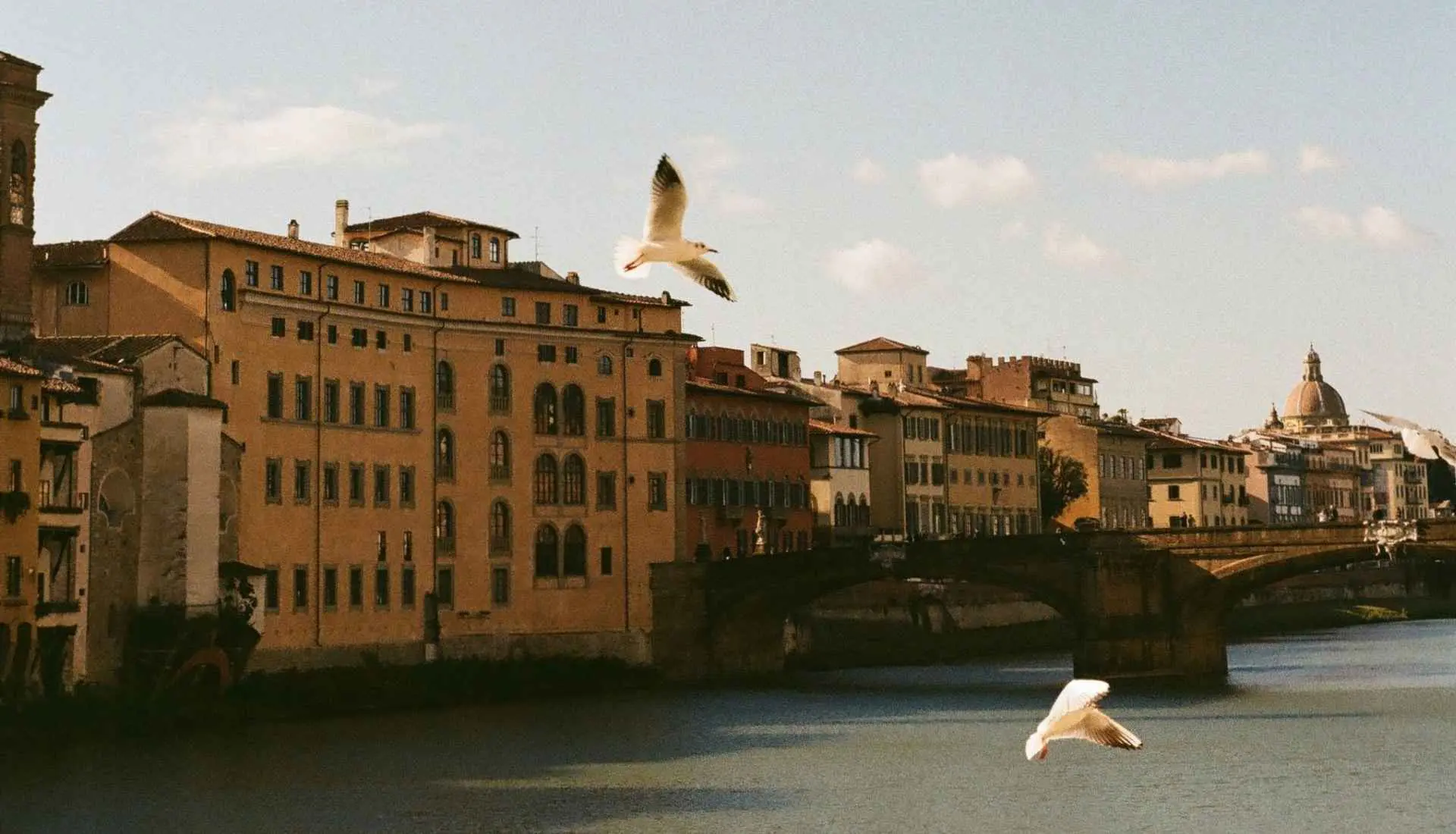
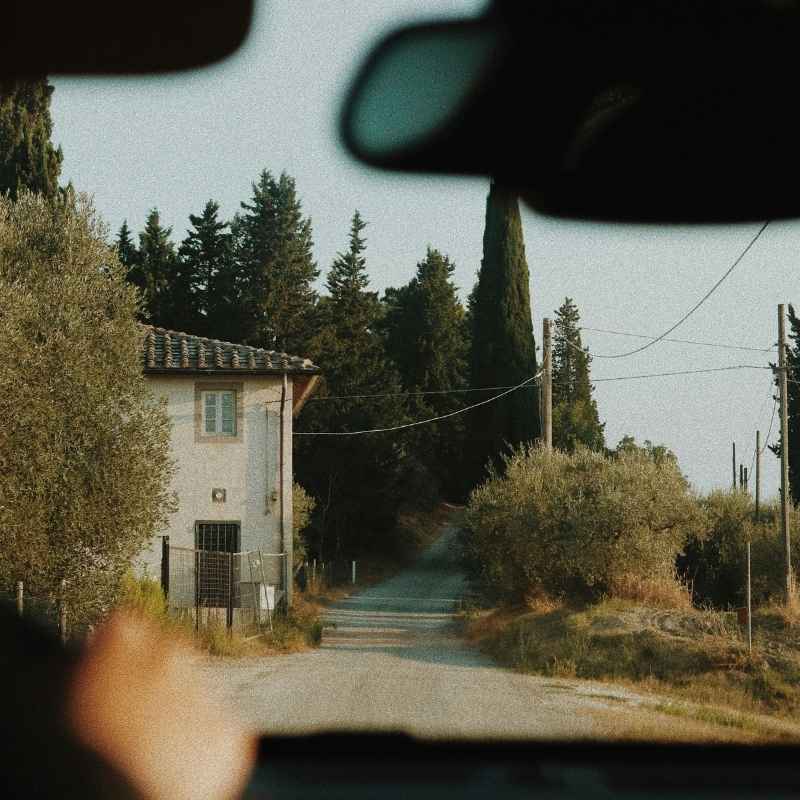
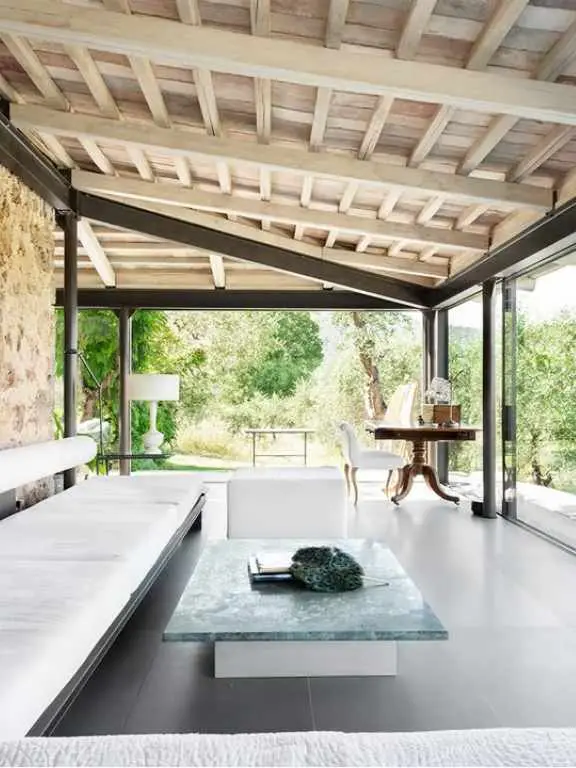
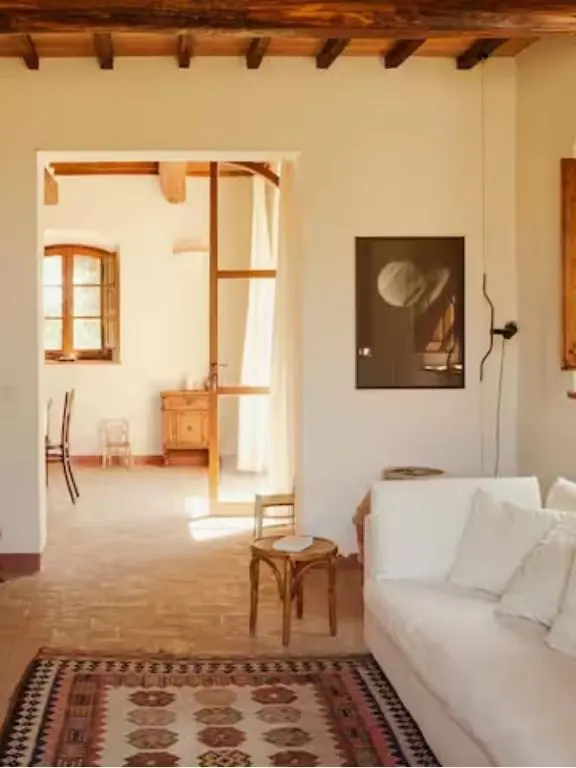
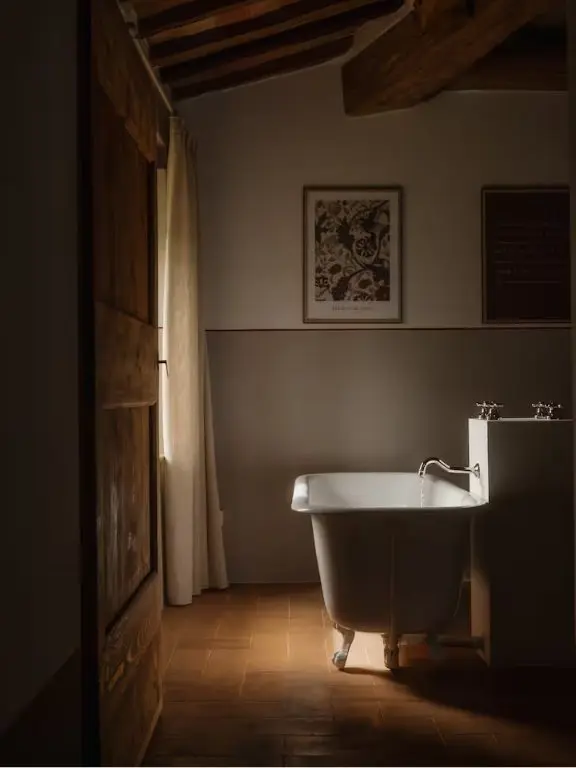
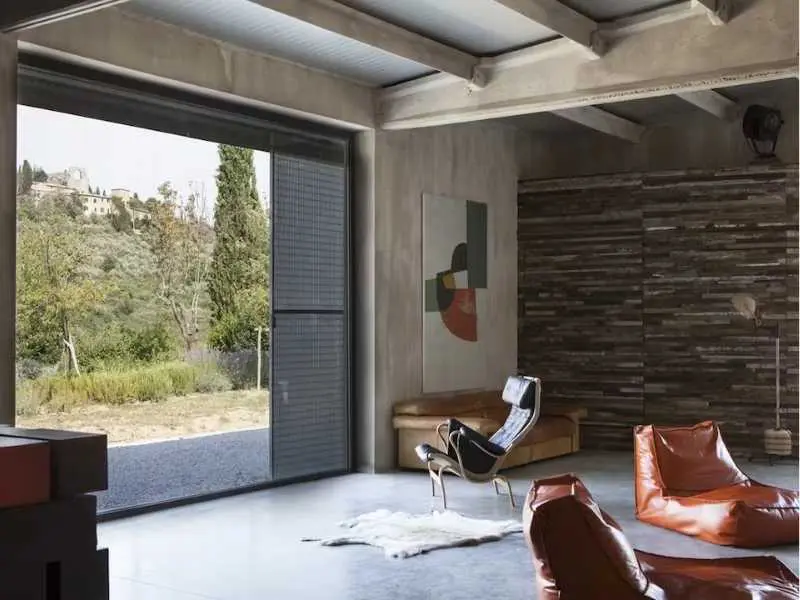
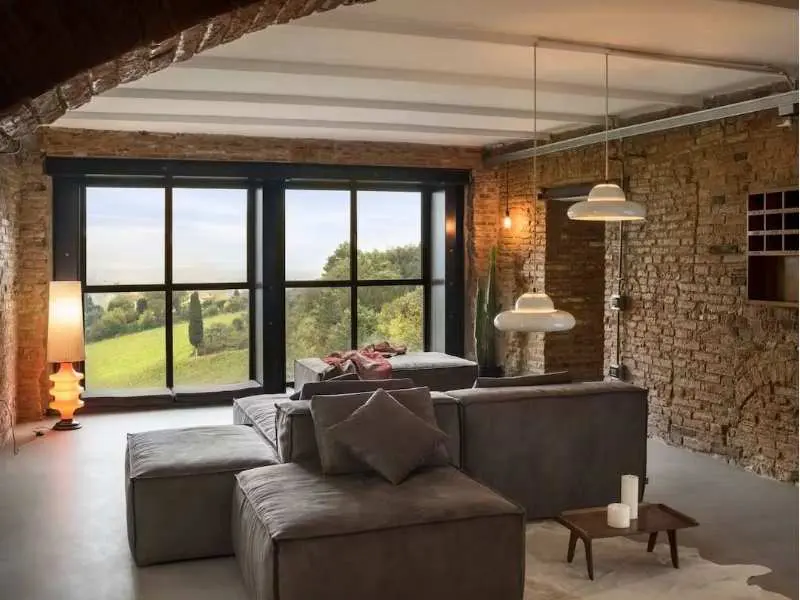
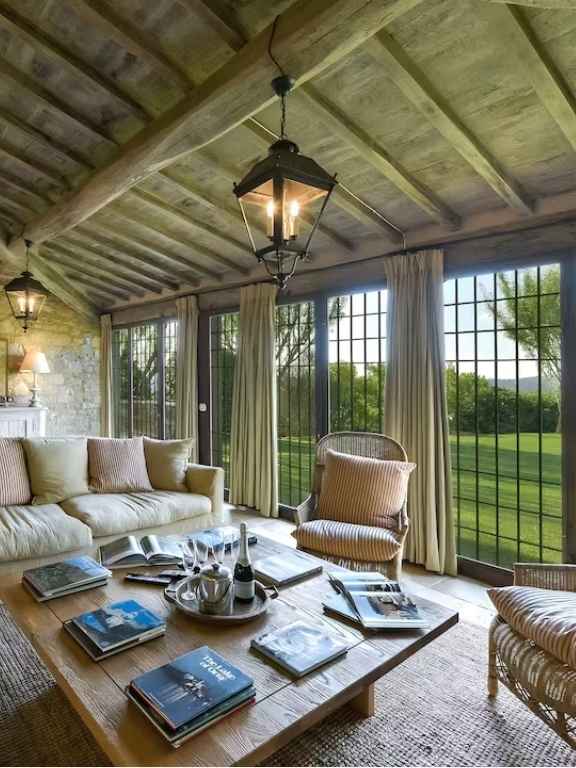
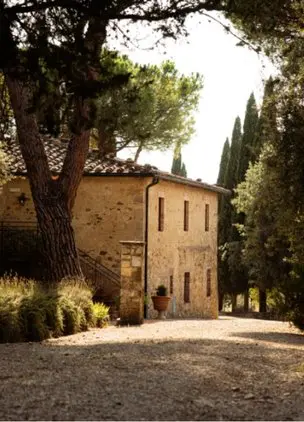
Tuscany is made for the unhurried. A place where time expands and days unfold gently among olive trees, vineyard paths, and sun-warmed stone. It invites a kind of presence that feels increasingly rare, the chance to move with the rhythm of the land instead of the clock. This Tuscany travel guide shares where to stay in Tuscany, along with the best hotels, restaurants, and countryside escapes that capture its depth and quiet grace.
For those who travel by feel, Tuscany offers space to slow down and see differently. Morning light through linen curtains. A long lunch that turns into a late afternoon. Conversations over garden wine with nothing pulling you elsewhere. It is not about doing more; it is about noticing more. A region shaped by soil, tradition, and soul, where each stay feels personal and each plate tells a story. Tuscany does not ask for your attention. It earns it, softly and completely.

Vino Nobile cellars, steep stone streets and a hill town that keeps wine close to everyday life.

Brunello vineyards, thermal water and long roads between some of southern Tuscany’s smallest towns.

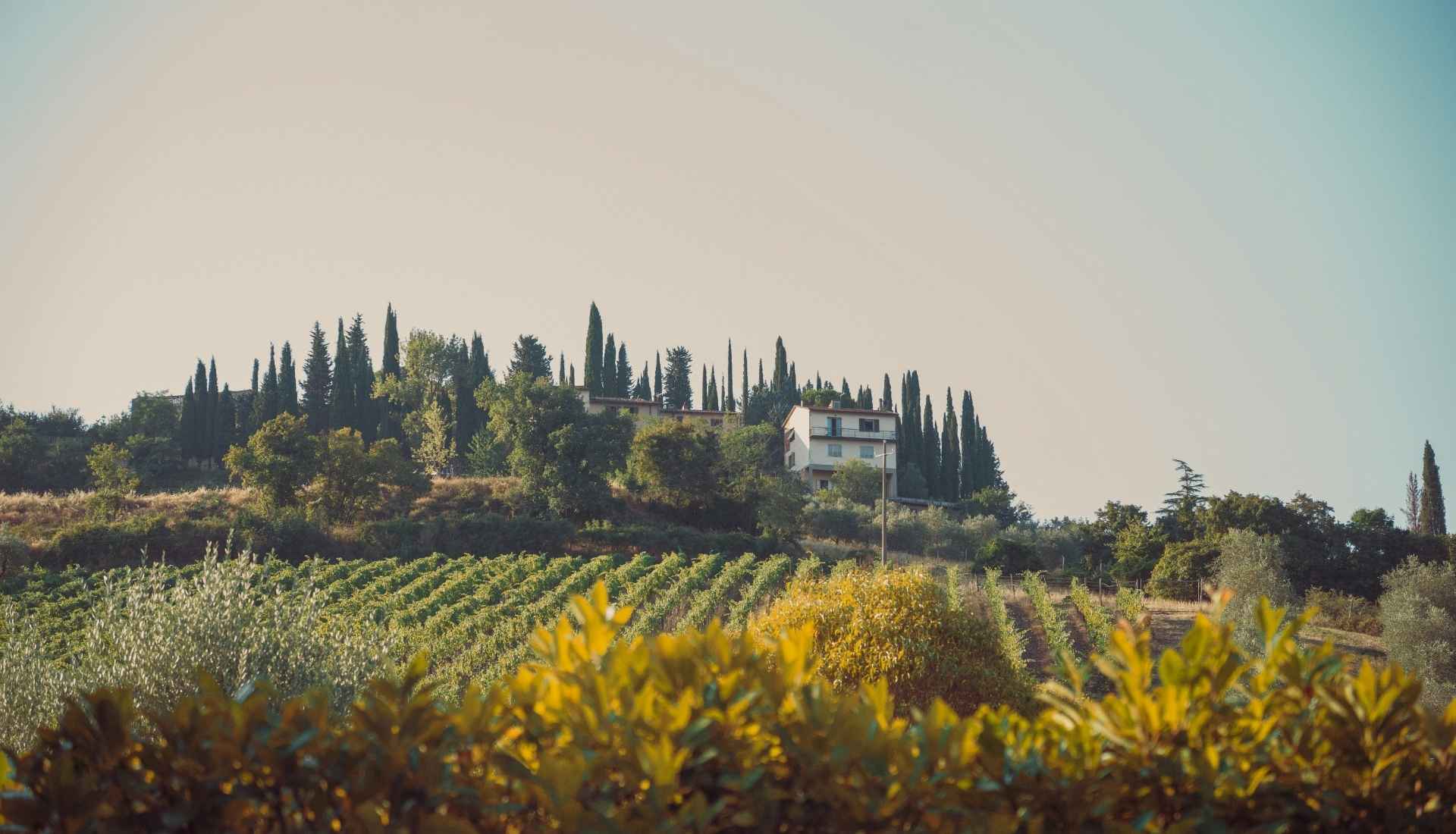
Working cellars, white roads and wine estates stretched between Florence and Siena.

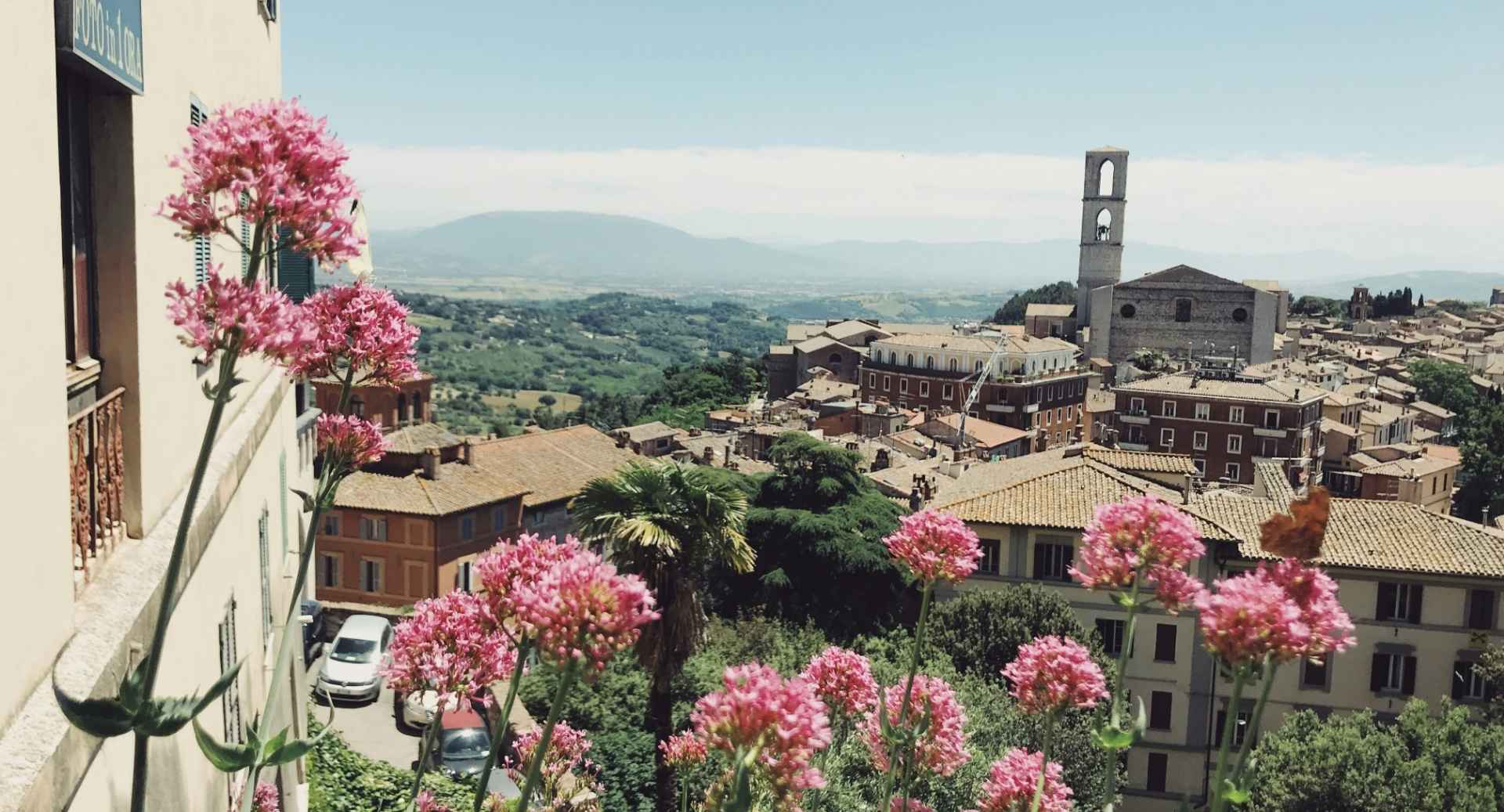
Renaissance streets, working markets and country estates that keep the city within reach.


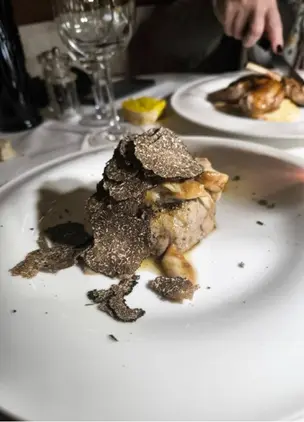
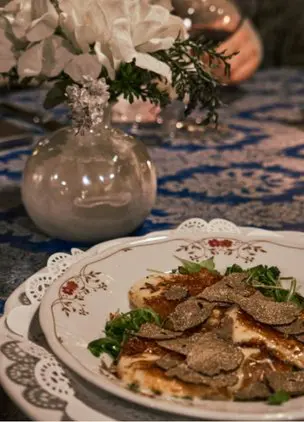
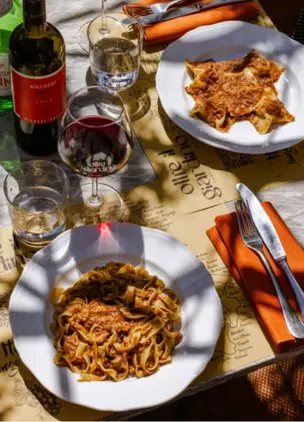
Tuscany was made for slow travel. Every part of it moves gently, from the vineyard-lined roads of Chianti to the golden hills of Val d’Orcia and the quiet, pine-scented coast. Food is seasonal because that is how it has always been. You eat what is nearby, drink what is made down the road, and stay longer than you meant to. It is less about what to do and more about how it feels to be there. Wake up with the sun, swim before lunch, sit under trees in the afternoon. In Tuscany, time expands, and that is the point.

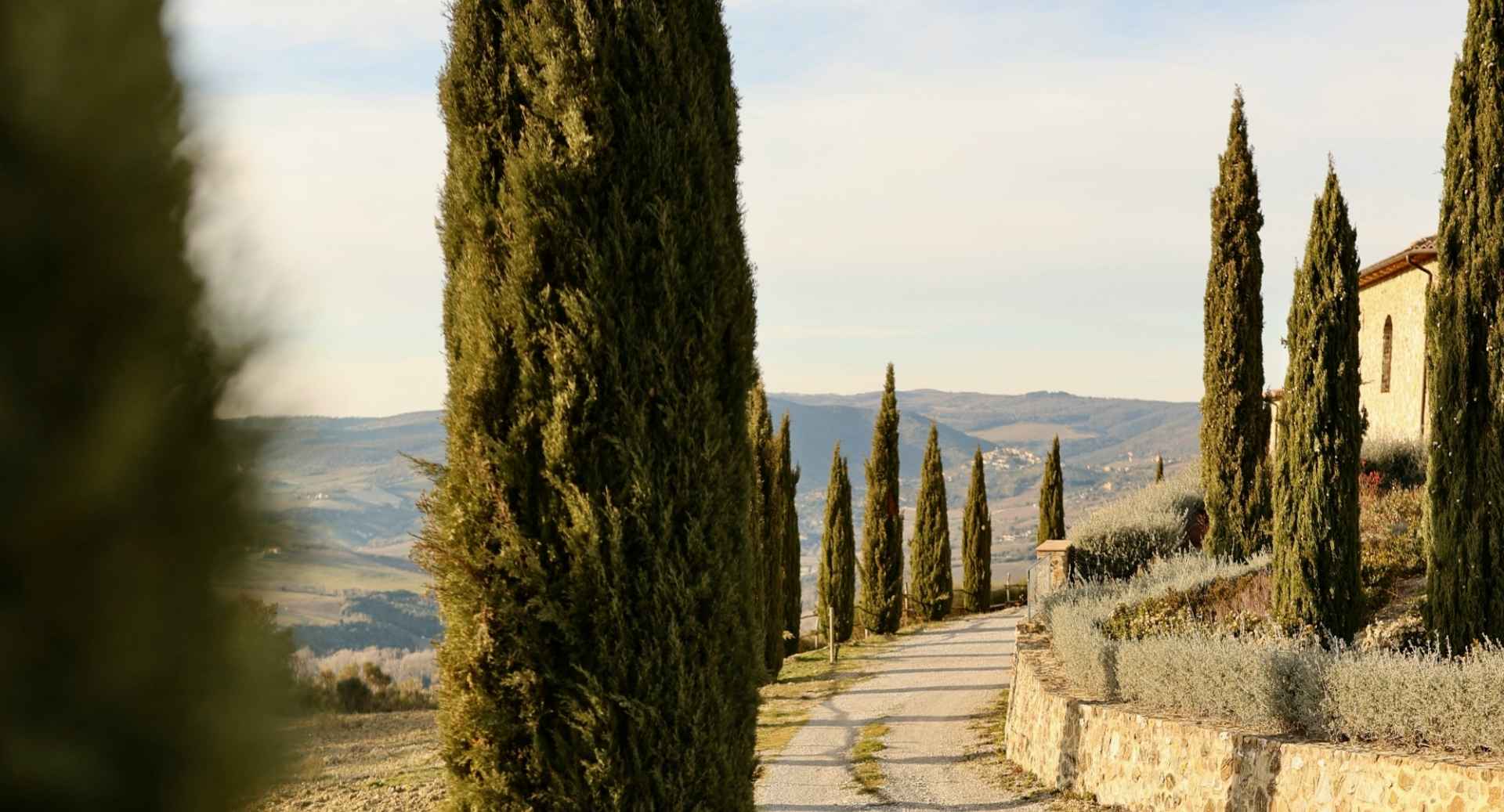
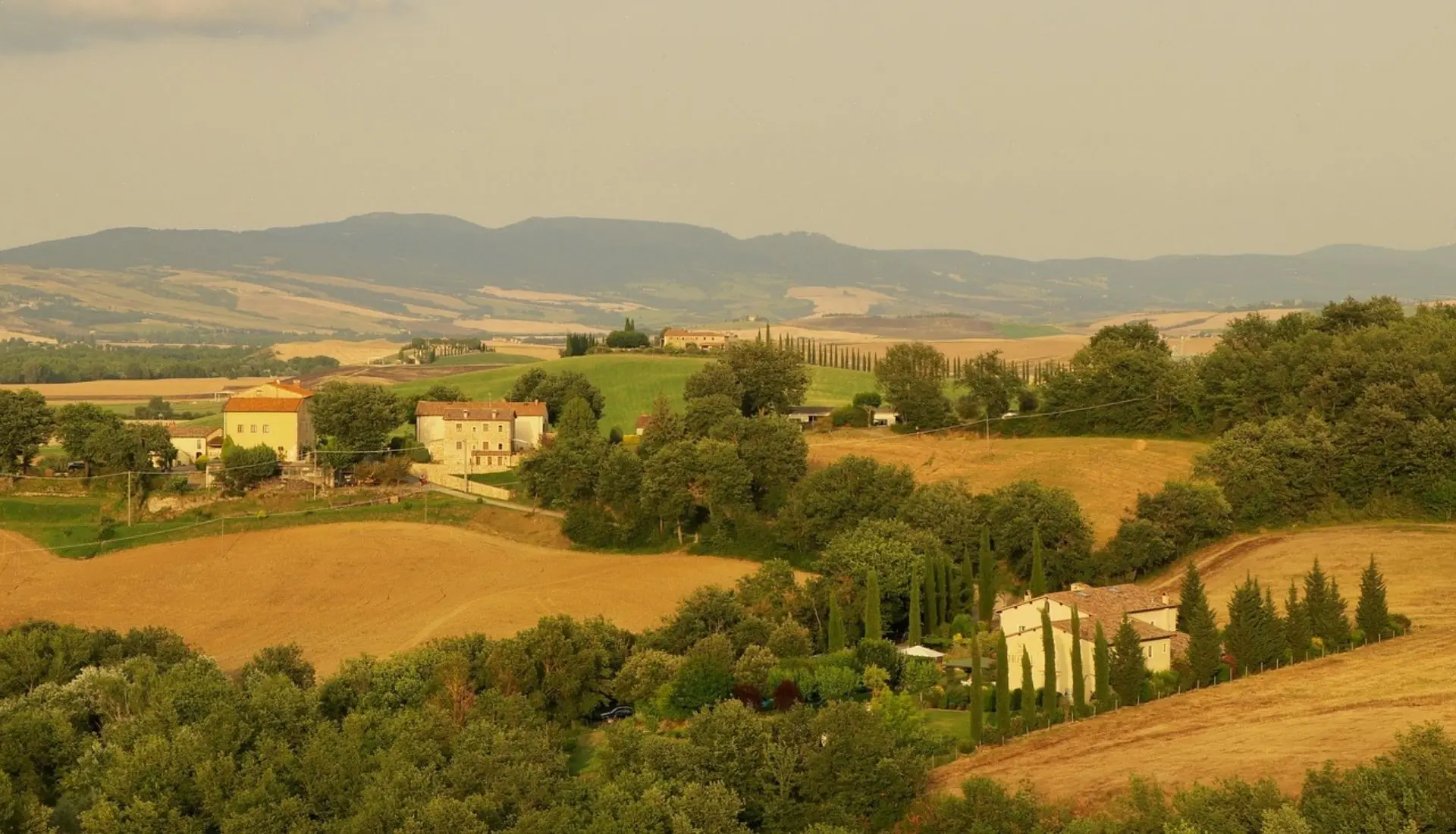
Val d’Orcia feels wide and generous. Roads curve through golden fields, cypress trees stand still, and every view looks like a painting that forgot to be precious. Towns like Pienza and San Quirico d’Orcia offer long lunches and stone piazzas that ask you to stay a little longer. There is space to breathe here: thermal baths, hilltop churches, and old farms turned into slow-living stays. You do not come to do much, just to feel the land, the light, and the deep hush that settles over the valley when the day begins to cool. It is Tuscany at its most rooted.
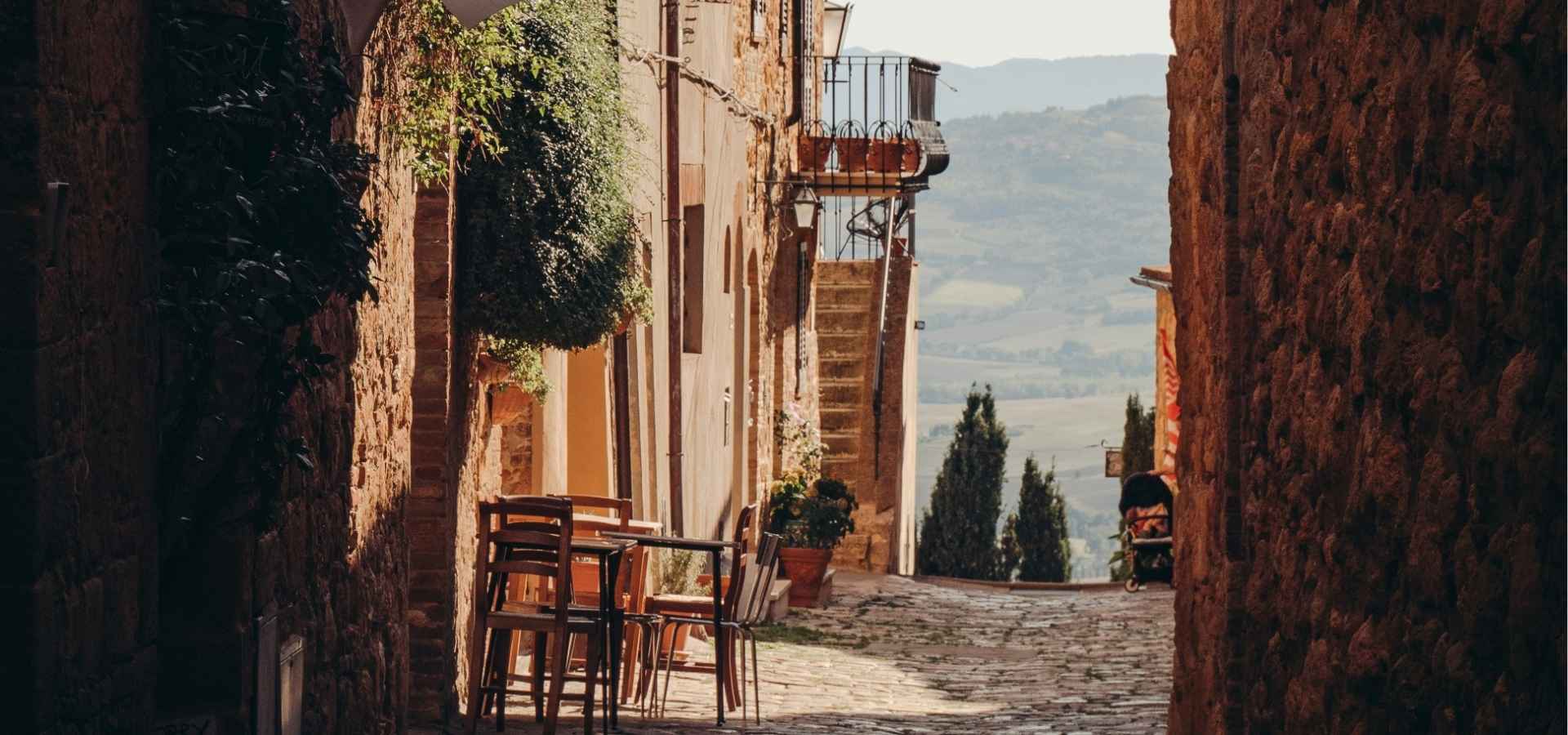
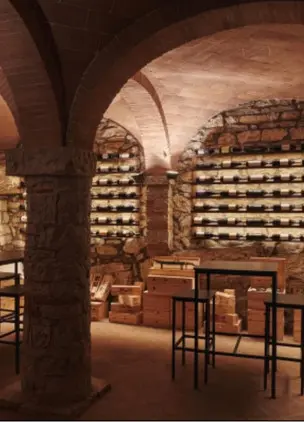
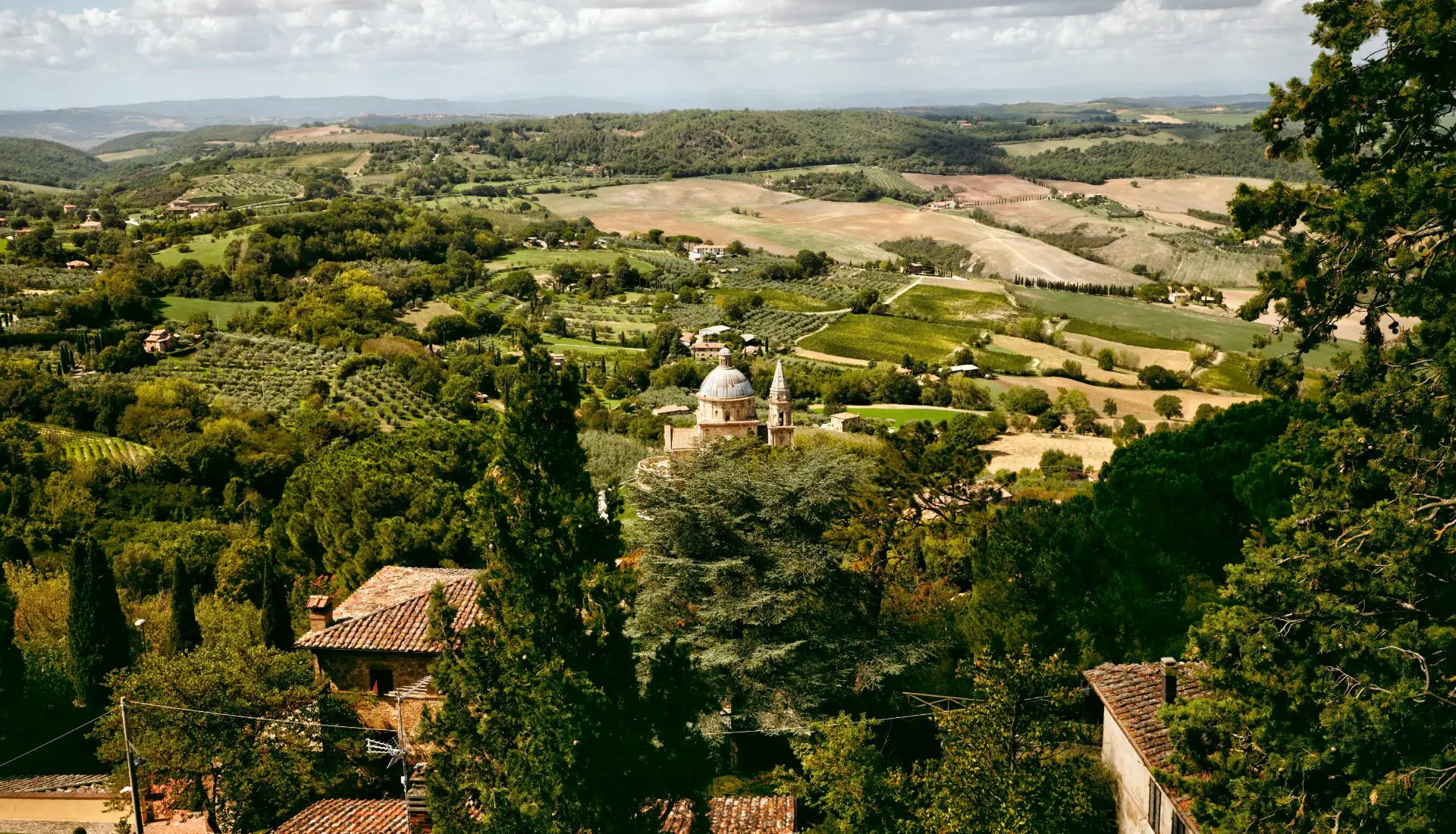
Montepulciano moves at its own pace. Cobbled streets stretch uphill, lined with cellars that still pour slowly and trattorias that serve what is in season without ceremony. Vino Nobile is part of the town’s rhythm, poured in ancient cantinas and best enjoyed with views of the Val di Chiana below. It sees its share of visitors, but step out early or wander in the evening and it softens. Pici, pecorino, a glass of something red. Montepulciano is a place for small rituals and open time, best in spring or early autumn when the light stays long and the streets quiet again.


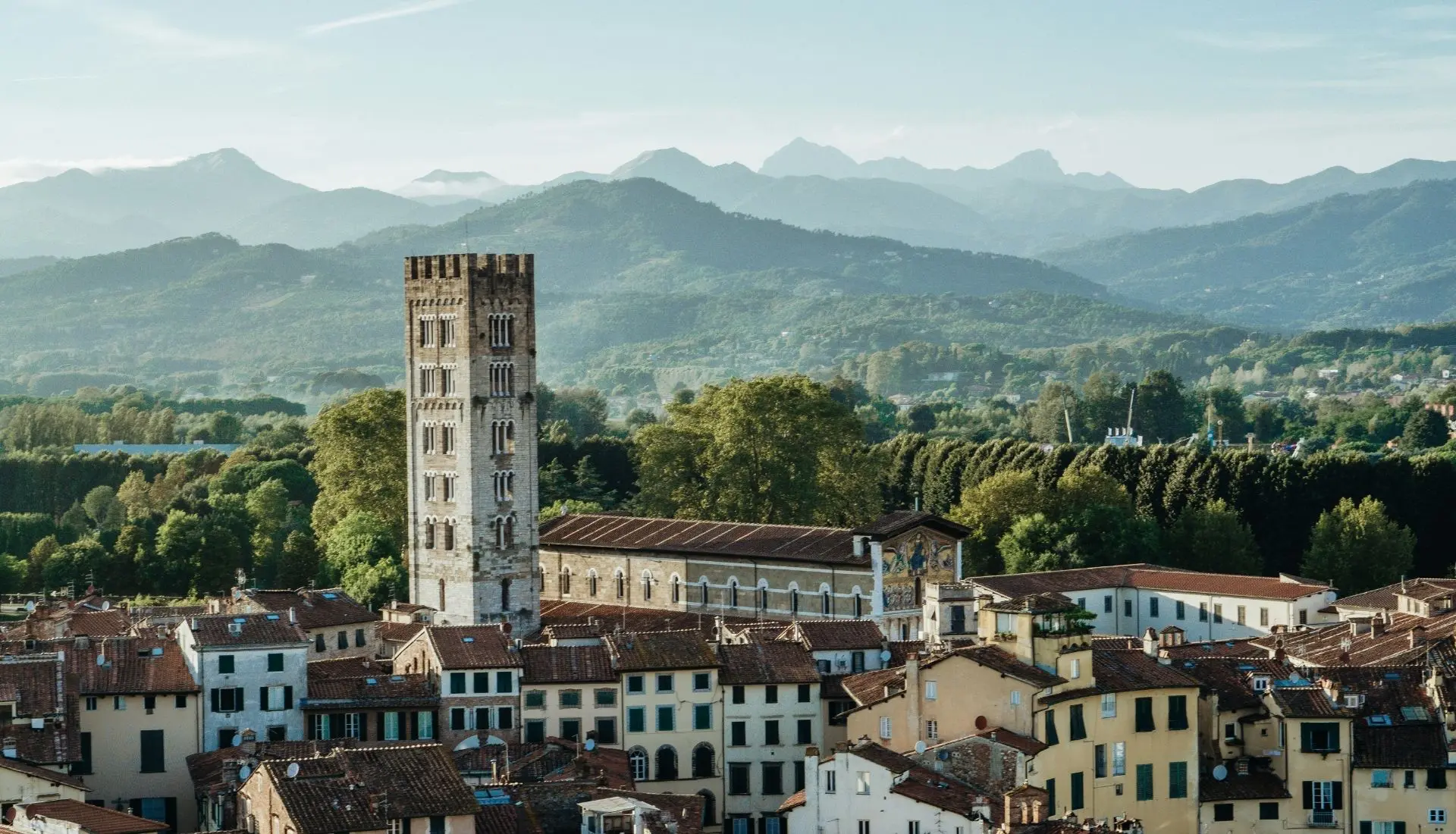
Lucca has a softness to it. Enclosed by stone walls, the town moves gently with morning bike rides, coffee in shaded courtyards, and afternoons that drift across quiet piazzas. The food leans rustic and seasonal, and the pace lets you taste it properly. Just beyond, the hills open into vineyards, olive groves, and old villas that make you want to unpack for a while. It is not showy, and that is the charm. Come in spring or early autumn when the air is cool and the city feels like it belongs to you. It is a place for calm, culture, and quiet pleasures.

For collaborations and enquiries
We use cookies to improve your experience and understand how the site is used. You can accept or manage your preferences at any time.